

 By S.K. Mathu Sudhana, Chief Executive Officer, Inox Green Energy Services Limited
India’s renewable energy sector is entering a defining decade. With a national mission to achieve 500 GW of non-fossil fuel capacity by 2030, the country is charting one of the most ambitious clean energy transitions globally. For wind energy in particular, this is no longer simply a story of new installations; it is increasingly a story of how well the existing fleet is operated, maintained and kept performing at its potential.
A wind turbine’s nameplate capacity tells only part of the story; what determines actual returns is how consistently that capacity translates into generation, year after year, in the field. India’s wind fleet is also ageing: a significant share of installed capacity is now first generation, with many turbines approaching or exceeding their original design lives. As original equipment manufacturer (OEM) warranties lapse, the responsibility for sustained performance shifts almost entirely on to operators. In this environment, operations and maintenance (O&M) is no longer a back-end cost line; it is the primary lever that determines plant load factor, machine availability and ultimately the financial performance of every MW installed. The difference between a well-maintained turbine and a neglected one compounds visibly over a 20 to 25-year asset life, which is why leading operators increasingly treat O&M as a strategic value driver rather than an operational afterthought.
Predicting failures before they occur
Structured maintenance in wind has always rested on preventive routines, involving scheduled lubrication, torque checks on bolted connections, blade inspections, gearbox oil sampling, and condition checks on yaw and pitch systems that catch wear before it becomes failure. What has changed is the layer now sitting on top of this: predictive maintenance, where vibration signatures from main bearings and gearboxes, oil debris analysis, thermal imaging of electrical cabinets and converters, and continuous supervisory control and data acquisition (SCADA) data trends are run through analytics and machine learning (ML) models to flag anomalies weeks or months before a component would otherwise fail. This shift allows operators to plan a gearbox change-out or a generator overhaul on their own schedule, with the right crane, crew and spare part lined up, rather than scrambling after an unplanned trip. The economics are stark: a planned intervention costs a fraction of an emergency repair and avoids the generation loss of an unscheduled outage.
Navigating India’s wind O&M challenges
Wind farm operations in India come with a distinct set of challenges that the O&M strategy has to be built around. Many sites sit in remote, hilly or coastal terrain across the wind corridor states, where access alone– getting a crew, a crane or a heavy spare part of the turbine– can take longer than the repair itself. Monsoon windows restrict major works to specific months, grid curtailment and evacuation infrastructure constraints can suppress generation independent of machine health, and a mixed-vintage fleet means technicians are often supporting multiple turbine platforms, some no longer in production, simultaneously. Add to this an industry-wide shortage of skilled wind technicians, and the case for a structured, professionally managed O&M model, rather than a reactive, site-by-site approach, becomes self-evident.
Leveraging data for smarter operations
Every modern wind asset generates a continuous stream of operational data: wind speed, rotor and generator speed, pitch and yaw position, nacelle and bearing temperatures, and vibration levels through its SCADA system. The value of this data depends entirely on what is done with it. Integrating SCADA outputs with dedicated condition monitoring systems allows trend deviations in critical components to be flagged well ahead of a fault code being thrown. Centralised monitoring centres, providing 24×7 visibility across an entire fleet rather than turbine-by-turbine oversight, let a small team of analysts track hundreds of machines, prioritise which alarms genuinely need a site visit, and despatch field teams only where intervention adds value. This is the difference between data being collected and data being acted upon.
Building resilient and long-life wind assets
The availability of the right spare at the right time is one of the most underrated determinants of wind farm reliability. Long-lead components such as gearboxes, main bearings, converters and blades can take months to source if not planned for, and turbines running on discontinued platforms face genuine obsolescence risk as OEM support tapers off. Reliable O&M depends on stocking critical spares based on actual fleet failure-mode history rather than generic recommendations, maintaining strong vendor and OEM relationships to compress lead times and building logistics capability suited to remote sites so that mean time to repair is measured in days, not weeks. Every hour a turbine sits idle waiting for a part is an hour of lost generation that cannot be recovered.
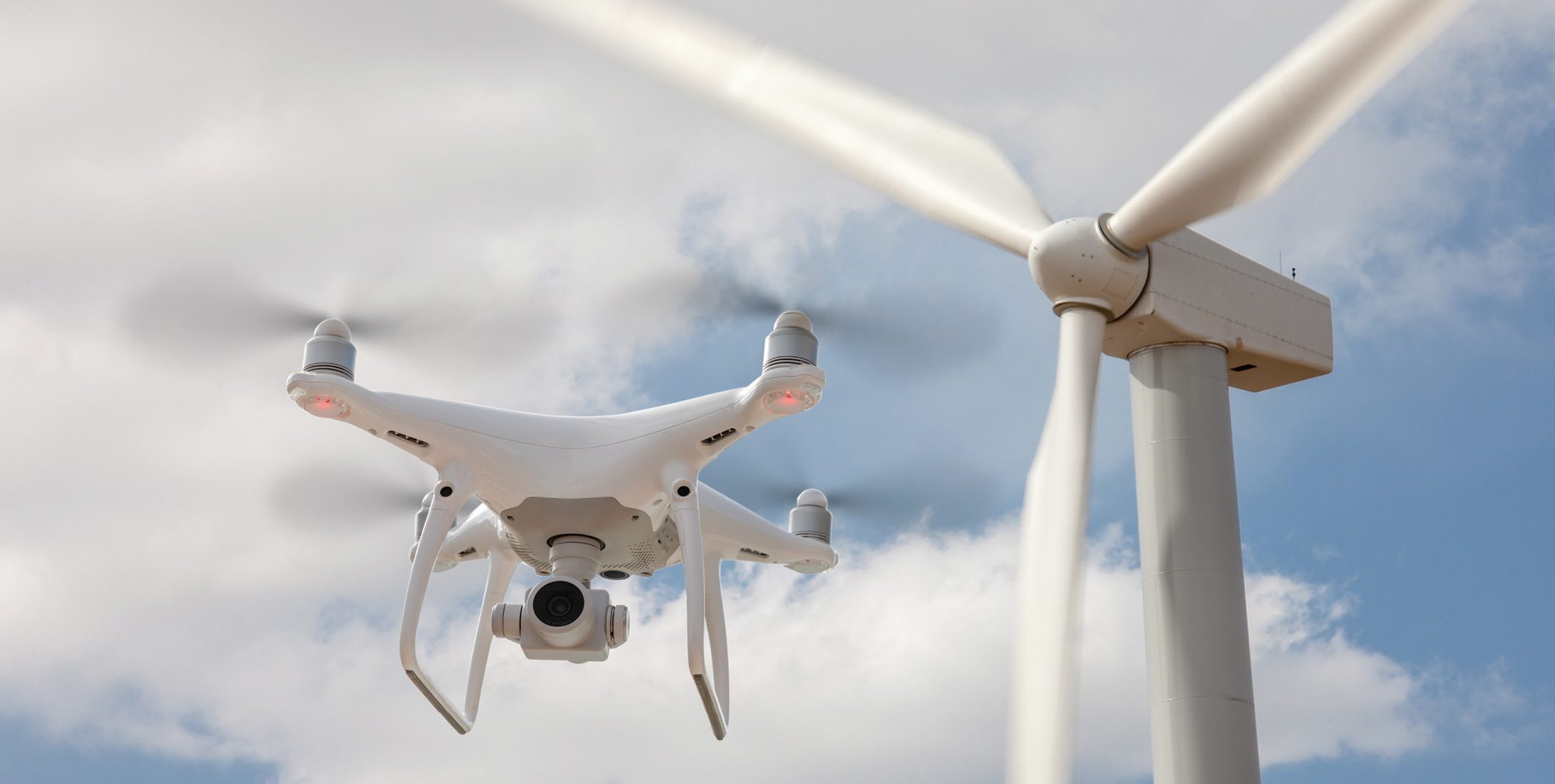 Wind O&M is also physically demanding work. Technicians operate at height inside nacelles, around rotating machinery, and on live electrical systems, often in remote locations with limited immediate support. A non-negotiable safety culture, built on rigorous training, standardised lockout-tagout and working-at-height procedures, and increasing use of remote and drone-based inspection to reduce unnecessary climbs, has to underpin every other O&M objective.
On uptime, the discipline is to treat machine availability and plant load factor as the primary performance indicators that O&M is judged against, since every additional hour of turbine availability converts directly into clean generation. And as more of India’s fleet crosses 15-20 years in operation, life cycle extension – through structured life-extension assessments, targeted refurbishment of ageing components and informed decisions on repowering versus continued operation – is emerging as a distinct discipline of its own, one that can recover years of productive life that would otherwise be lost to early decommissioning.
Digital future of wind O&M
The next phase of wind O&M is being shaped by digital tools that were, until recently, in early pilot stages. Digital twins now allow operators to simulate component stress and predict remaining useful life with far greater precision than physical inspection alone. Autonomous drone-based blade inspection is replacing slower, costlier manual rope-access surveys. Artificial intelligence and ML models, trained on years of fleet operating data, are improving early-fault detection rates across gearboxes, generators and converters. Cloud-based fleet management platforms are giving asset owners real-time, portfolio-wide visibility that simply did not exist a decade ago, turning O&M from a site-level function into a centrally optimised, data-driven discipline. Investing in these tools is not optional for an operator serious about long-term reliability – it is becoming the baseline.
None of this works without skilled people in the field. As the industry’s skilled technician gap widens with fleet growth and ageing assets, structured talent pipelines are becoming a strategic necessity rather than a goodwill initiative.
Capacity can be built; performance has to be sustained. Preventive and predictive maintenance, SCADA-driven condition monitoring, disciplined spares management, safety and digital-first asset management are where we believe the wind industry’s next decade of value will actually be won. After all, reliability, built one well-maintained turbine at a time, is what will ultimately determine whether India’s wind ambitions translate into delivered, dependable power.

