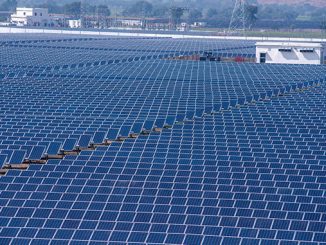
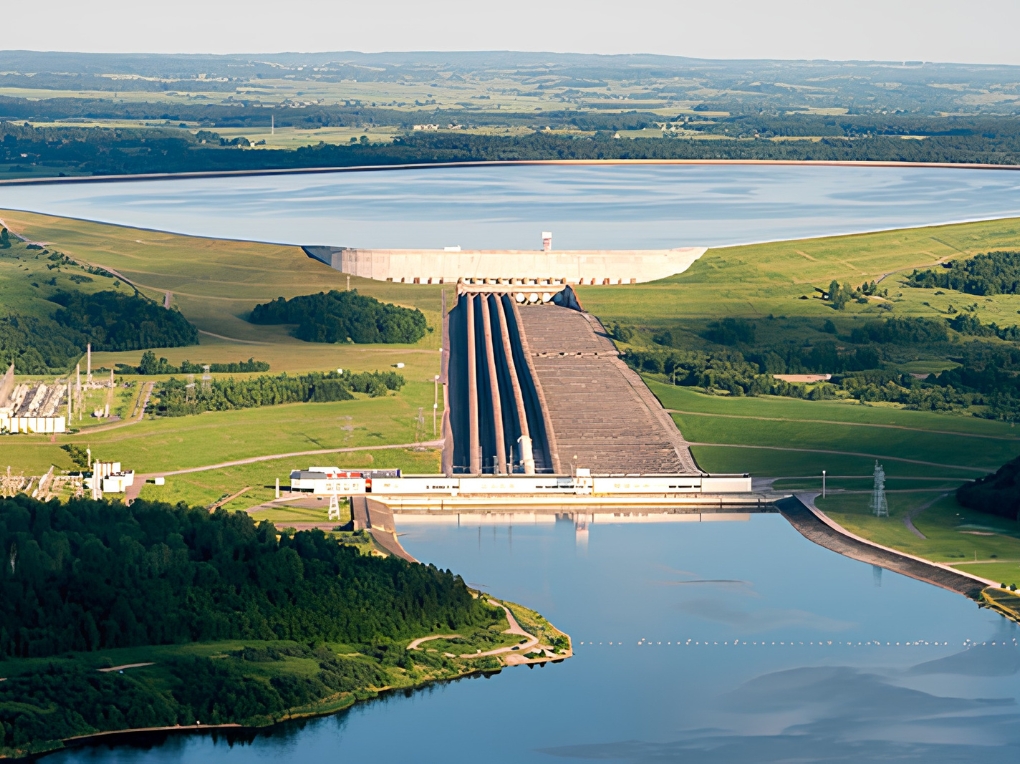
 India’s renewable energy journey over the past decade has been defined by the rapid addition of solar and wind capacity. The focus is now shifting towards ensuring that renewable power is available whenever it is needed. As the share of variable renewable energy in the grid continues to rise, maintaining grid stability and meeting peak demand have become key priorities. In this evolving landscape, pumped storage projects (PSPs) are emerging as a critical component of India’s energy transition, backed by strong policy support, growing private sector interest and an expanding project pipeline.
The growing importance of PSPs is closely linked to India’s ambitious renewable energy targets and rising electricity demand. Peak demand is increasing due to industrial growth, urbanisation, electric vehicle adoption, data centres and emerging industries such as green hydrogen. At the same time, solar and wind are expected to account for the bulk of new capacity additions over the coming decade. By shifting electricity from periods of surplus generation to periods of peak demand, PSPs help improve grid flexibility, reduce renewable energy curtailment and enhance system reliability.
India has an estimated pumped storage potential of nearly 290 GW across more than 260 identified sites, with Maharashtra, Andhra Pradesh, Odisha, Gujarat, Rajasthan and Uttar Pradesh accounting for a significant share of this potential. Recognising the strategic role of PSPs, the government has introduced several policy measures to improve project viability and accelerate development. However, despite the favourable policy environment, only around 7.4 GW of PSP capacity is currently operational, while approximately 15.9 GW is under construction. The opportunity is substantial, and policy momentum is gathering pace, but translating the large project pipeline into operational capacity remains the sector’s biggest challenge.
Policy initiatives
The government has introduced a series of policy and regulatory measures over the past few years to accelerate PSP development. The main objective has been to simplify project development, improve commercial viability and attract greater private sector participation. A significant milestone was the issuance of the Ministry of Power’s Guidelines for Pumped Storage Projects in April 2023. These guidelines established a structured framework for site allocation, project development and procurement. States have been given the flexibility to allocate projects either through nomination to central and state public sector undertakings or through competitive bidding. To discourage speculative allocation, developers are required to commence construction within two years of site allotment.
The government has simultaneously focused on improving project economics. Several commercial incentives have been introduced, including exemption from free power obligations, avoidance of double taxation on stored electricity, notification of benchmark storage costs for six to eight-hour operations, monetisation of ancillary services and participation in the proposed high-price day-ahead market. Eligible projects awarded before June 30, 2028 are also entitled to a full waiver of interstate transmission system charges, further enhancing financial viability.
Project approval processes have also been streamlined. The Central Electricity Authority (CEA) has revised its detailed project report (DPR) appraisal mechanism, reducing the concurrence timeline to 50 days. In addition, offstream closed-loop PSPs have been exempted from mandatory CEA concurrence under specified conditions, shortening development timelines for projects with relatively lower environmental impacts.
Environmental and forest clearances have also undergone significant reforms. Approval processes have been digitised through the PARIVESH portal, improving transparency and reducing duplication across agencies. Standalone PSPs have been provided separate environmental appraisal provisions, while certain closed-loop projects that do not involve new reservoirs, forest diversion or additional submergence are eligible for simplified environmental assessments.
Further, the government is considering the introduction of viability gap funding to support nearly 60 GWh of pumped storage capacity. In addition, a proposal to reduce the GST on hydro equipment to 5 per cent is expected to lower capital costs and encourage further investment in the sector. Reflecting this policy momentum, several private developers, including Greenko, JSW Energy, Adani, Tata Power, Torrent Power, Avaada and ReNew, have announced substantial pumped storage development pipelines. Growing demand for round-the-clock renewable energy, firm and despatchable renewable power, green hydrogen production and ancillary grid services is further expanding commercial opportunities for PSP developers.
Execution challenges remain
While the policy environment for PSPs has improved considerably over the past few years, ensuring the uptake of projects remains the sector’s biggest challenge. Developing a pumped storage project involves a lengthy approval process, requiring clearances from multiple agencies before construction can begin. The first step is the preparation and approval of the DPR, which establishes the technical and financial feasibility of the project. Although the CEA has reduced the DPR concurrence timeline and exempted certain offstream closed-loop projects from mandatory concurrence, developers continue to navigate a complex regulatory framework.
Beyond DPRs, projects require a series of statutory approvals, including environmental clearance, forest clearance, wildlife clearance, water allocation permissions, rehabilitation and resettlement approvals, defence clearance and, where applicable, approvals related to tribal affairs and international rivers. Since these approvals involve multiple agencies at both the central and state levels, project timelines often extend well beyond initial expectations.
Forest clearance remains one of the most significant bottlenecks. Developers frequently encounter delays in obtaining permission to undertake survey and investigation activities, conduct geological studies and identify land for compensatory afforestation. Projects located in environmentally sensitive areas may also face litigation or opposition from local communities, adding further uncertainty to implementation schedules.
Financing presents another challenge. PSPs are capital-intensive projects with long construction periods and delayed revenue generation. Securing funding therefore depends on long-term power purchase arrangements and predictable revenue streams that provide confidence to lenders. At the same time, transmission infrastructure must be ready when projects are commissioned to ensure evacuation.Industry stakeholders have repeatedly highlighted the need for stronger coordination among government agencies to address these challenges. Wider adoption of digital monitoring systems, concurrent processing of statutory approvals, standardised DPR formats and early stakeholder consultations can significantly reduce development timelines while ensuring that environmental safeguards and community interests are adequately addressed.
Future outlook
While policy support has strengthened considerably over the past few years, the next phase will depend on translating policy intent into timely project execution. Going forward, the focus will need to shift towards creating a more efficient project development framework without compromising environmental and social safeguards. One of the key priorities will be to adopt differentiated approval pathways based on project characteristics, enabling closed-loop and offstream PSPs, which have relatively lower environmental and social impacts, to benefit from faster clearances. Strengthening rehabilitation and resettlement practices will be equally important. Early engagement with local communities and gram sabhas, recognition of community forest resource rights where applicable, and independent monitoring of rehabilitation plans can help minimise local resistance while ensuring that project development remains socially sustainable. According to the CEA, India is expected to have around 44 GW of pumped storage capacity by 2031-32, and 94 GW by 2035-36. Achieving this will depend not only on identifying new sites but also on ensuring that projects already in the pipeline are executed efficiently.
Based on presentations by Raj Kumar Chaudhary, Chairperson, Joint Electricity Regulatory Commission for Jammu & Kashmir and Ladakh; Rakesh Kumar, Deputy Director, CEA; and Subhrajit Dutta Ray, Partner, PwC, at Renewable Watch’s 4th edition of the “Pumped Hydro Storage in India” conference