

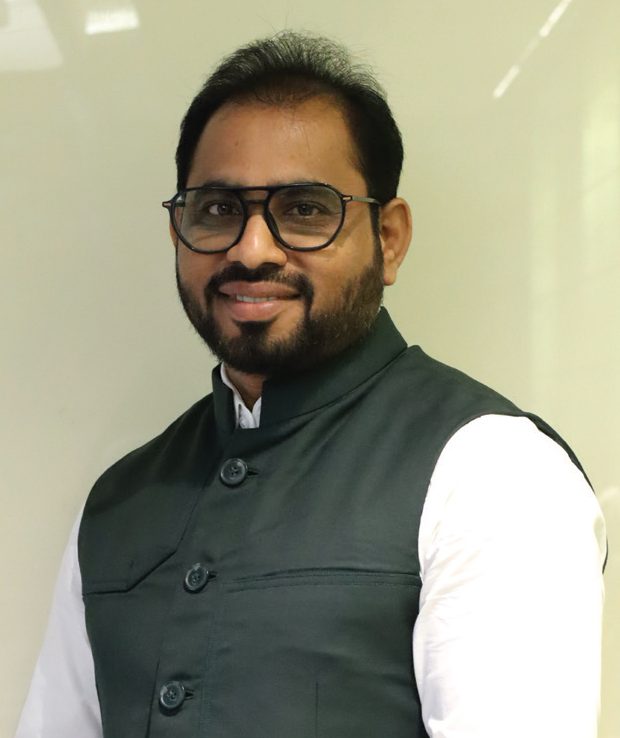
 The Bondada Group entered the renewable energy space in 2017. Since then, the company has steadily expanded its footprint, building a 9 GW diversified portfolio, with projects at various stages of execution and delivery. The company operates across key segments of the renewable energy value chain, including solar engineering, procurement and construction (EPC), solar IPP and battery energy storage systems (BESSs). Over the years, the company’s focus has evolved from standalone solar execution to more integrated and technology-driven solutions, particularly in areas where storage and hybridisation are becoming critical. In an interview with Renewable Watch, Dr Bondada Raghavendra Rao, Chairman and Managing Director, Bondada Group, discussed the company’s growing presence across the renewable energy value chain, opportunities and challenges in the BESS segment, key bottlenecks in India’s renewable energy growth, and the company’s future strategy. Edited excerpts…
Could you highlight some of the recent projects, contracts, or auctions won by the company?
During 2025-26, the company secured orders worth approximately Rs 44 billion, reflecting continued activity in both EPC and energy storage segments.
A significant portion of the order inflow came from BESS projects, accounting for around Rs 14.63 billion. These projects have been supported by viability gap funding (VGF), which has played an important role in making storage deployments commercially viable in the early stages of market development.
In addition, renewable EPC orders contributed approximately Rs 28.51 billion. These include utility-scale solar projects across multiple states, awarded through competitive bidding processes. While tariff discovery remains aggressive, the EPC segment has maintained momentum due to strong project pipelines and ongoing capacity additions by developers.
The products segment, though relatively smaller at around Rs 1.5 billion, continues to support the broader ecosystem by supplying components and solutions aligned with renewable infrastructure development. Overall, the order book reflects a gradual shift towards storage-linked opportunities alongside conventional solar EPC projects.
What opportunities and challenges do you foresee in the BESS space?
The BESS segment in India is at an inflection point. The market is expected to grow from less than 1 GWh in 2024 to nearly 346 GWh by 2033, driven by increasing renewable penetration, grid balancing requirements and the need for round-the-clock power.
One of the primary opportunities lies in the integration of storage with renewable generation. As solar and wind capacities expand, intermittency is emerging as a structural challenge and storage provides a reliable solution to ensure seamless supply and enhance grid stability. Additionally, policy support mechanisms such as VGF and dedicated storage tenders are helping catalyse early adoption.
However, the sector faces several challenges. A major concern is the heavy dependence on imported lithium-ion cells, particularly from China. This exposes the industry to supply chain disruptions, geopolitical risks and price volatility. Fluctuations in raw material costs, especially lithium and other critical minerals, further add uncertainty to project economics.
Another challenge is the evolving regulatory and commercial framework. Since BESS is still a relatively new segment in India, clarity on revenue models, whether through ancillary services, capacity markets, or hybrid power purchase agreements (PPAs), is still developing. Until these mechanisms mature, investor confidence and large-scale deployment may remain somewhat constrained.
In the BESS segment in India, there appears to be a gap between announcements and actual project execution. What are the key reasons for this?
The gap between auction announcements and on-ground execution in the BESS segment can be attributed to a combination of structural and market-related factors.
One, BESS is still at a nascent stage in India and there is limited technical expertise across the ecosystem, from design and integration to long-term performance management. This often leads to delays in project finalisation and execution.
Two, there is a mismatch between tariff trends and cost realities. While tariffs discovered in auctions have been declining due to competitive pressures, the cost of key components, particularly battery cells, has shown volatility. This creates challenges in achieving financial closure for projects.
Three, the high dependence on imported components introduces uncertainties related to procurement timelines and pricing. As a result, developers and EPC players may adopt a cautious approach to project execution until there is greater visibility on supply chains and cost structures.
Four, evolving contractual frameworks and risk allocation mechanisms also contribute to delays. As stakeholders gain more experience with storage projects, these issues are expected to gradually stabilise.
What is your outlook on the backlog of unsigned PPAs in the renewable energy sector? What are the underlying reasons, and how can this issue be addressed?
The backlog of unsigned PPAs) remains a concern in the renewable energy sector as it impacts project bankability and execution timelines. Several factors contribute to this issue. Discoms’ financial health remains a key challenge, affecting their ability to commit to long-term power procurement. Additionally, changing demand patterns, contractual complexities and regulatory uncertainties can delay PPA finalisation.
However, from an EPC perspective, project pipelines remain relatively strong as developers continue to secure land, permits and transmission connectivity in anticipation of future demand.
Addressing the PPA backlog will require a combination of measures, including improving discom financial stability, streamlining approval processes and ensuring policy consistency. Greater clarity on market mechanisms such as green open access and merchant power opportunities could also provide alternative avenues for project viability.
What are the major bottlenecks in India’s renewable energy growth today? What policy or regulatory measures could help overcome these challenges?
India’s renewable energy growth story is strong, but several bottlenecks continue to impact the pace of expansion. One of the primary challenges is the dependence on imported components, particularly in solar modules and battery technologies. This creates vulnerabilities in terms of cost and supply chain reliability.
Land acquisition and grid connectivity remains another critical issue, especially for large-scale projects. Delays in securing land and obtaining necessary clearances can significantly impact project timelines. Grid infrastructure and connectivity constraints also pose challenges as the transmission network must keep pace with the rapid renewable capacity addition.
From a policy standpoint, faster implementation of approvals, stable regulatory frameworks and continued support for domestic manufacturing can help address these issues. Strengthening transmission infrastructure and enabling integrated planning between generation and evacuation systems will also be crucial.
What is Bondada Engineering’s strategy to scale its renewable energy portfolio over the next five years? Which segments or technologies will be the key focus areas?
The company’s long-term road map is aligned with the broader evolution of the renewable energy sector, with a target of achieving 25 GW of renewable capacity by 2030, including storage. The focus is increasingly shifting towards integrated solutions rather than standalone projects. Hybrid models combining solar generation with BESS are expected to play a key role, enabling more reliable and despatchable power.
In addition, pumped storage solutions are being explored as a complementary technology for large-scale energy storage. Floating solar projects also present opportunities, particularly in regions with land constraints. On the services side, expanding capabilities in BESS, EPC and operations and maintenance is a priority, given the growing importance of storage in the energy transition. Overall, our strategy is centred on building capabilities across multiple technologies while adapting to the evolving needs of the energy ecosystem.
