

 By Preeti Wadhwa
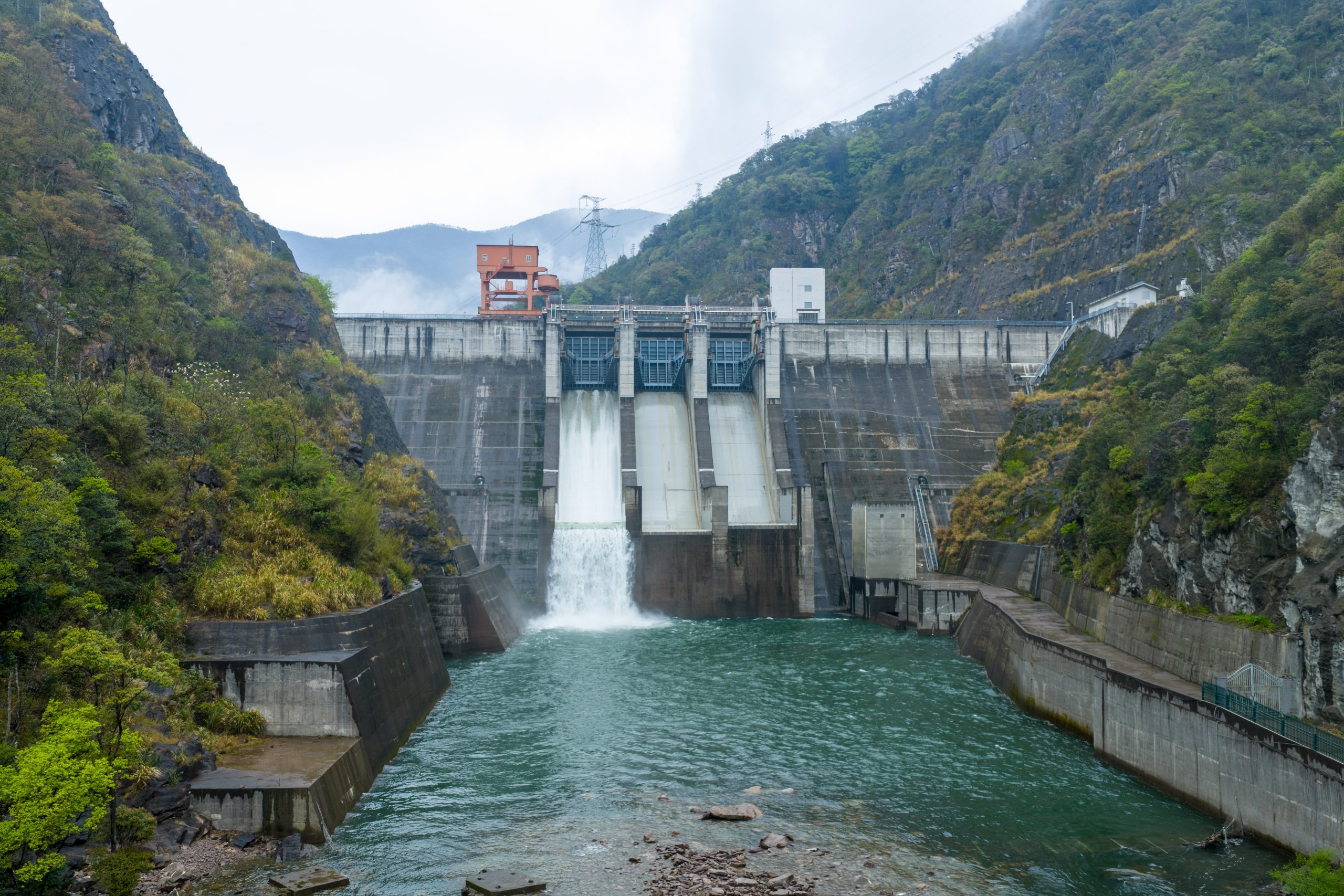
In March 2026, the union cabinet approved the Small Hydro Power (SHP) Development Scheme for 2026-27 to 2030-31, with a total outlay of around Rs 25.85 billion. The scheme targets the installation of approximately 1,500 MW of capacity with projects ranging from 1 MW to 25 MW. It marks a significant policy intervention in a segment that has long remained in the shadow of solar and wind energy, despite its considerable untapped potential.
As of February 2026, the total installed SHP capacity stood at 5,171 MW, as against an estimated potential of 21,133 MW identified by IIT Roorkee. Karnataka leads with 1,285 MW, followed by Himachal Pradesh at 1,013 MW.
Differential support for the Northeast and border districts
A defining feature of the scheme is its differentiated financial assistance structure, designed to account for geographical and developmental disparities across states. For projects in the north-eastern states and districts along international borders, the central government will provide assistance of Rs 36 million per MW, or 30 per cent of the project cost, whichever is lower, subject to a ceiling of Rs 300 million per project. In other states, the support is set at Rs 24 million per MW, or 20 per cent of the project cost, with a cap of Rs 200 million per project.
Of the total scheme outlay, Rs 25.32 billion has been earmarked directly for project support. This approach is designed to make small hydro economically viable in remote and difficult-to-access locations, where grid extension costs are high and energy access remains limited.
Leveraging investment and employment
The scheme is expected to catalyse approximately Rs 150 billion in total investment in the small-hydro sector. In line with the Aatmanirbhar Bharat vision, this investment will prioritise 100 per cent indigenous plants and machinery, supporting domestic manufacturing across the supply chain.
On the employment front, the scheme is projected to generate 5.1 million person-days of work during the construction phase. Further, operations and maintenance of commissioned SHP projects, with lifespans of 40-60 years, will create long-term employment and income benefits in largely rural and remote communities. Their decentralised nature also reduces dependence on long transmission lines, thereby minimising transmission losses.
Project pipeline and DPR support
Beyond direct project funding, the scheme includes a provision of Rs 300 million to support state and central government agencies in preparing detailed project reports (DPRs) for approximately 200 projects. This pipeline-building initiative is aimed at ensuring a steady supply of shovel-ready projects, addressing one of the key structural gaps that has historically slowed the sector’s growth.
Environmental and socio-economic case
Small-hydro projects are, by nature, less intrusive than large hydropower schemes. They do not require large-scale land acquisition, deforestation and displacement of communities, making them environmentally sustainable and socially acceptable. The scheme is expected to accelerate socio-economic development in remote areas by promoting local investment and creating productive economic linkages, particularly in hilly and north-eastern states where untapped potential is the highest.
A sluggish sector in need of intervention
The approval comes at a time when the SHP segment has been struggling to scale up as compared to the solar and wind energy segments. Small-hydro projects face several structural challenges such as delays in obtaining regulatory approvals and clearances, high project tariffs compared to competing technologies, limited private sector interest, and the inherent unpredictability of generation owing to geographical and seasonal factors. These variables affect revenue streams and make it difficult to establish lender confidence.
The way forward
The cumulative installed SHP capacity has grown steadily, from 4,787 MW in 2020-21 to 5,171 MW as of February 2026, crossing the 5,000 MW milestone in 2023-24. Annual capacity additions have remained low at less than around 103 MW per year.
The new scheme targets an average capacity addition of 300 MW per year over its five-year duration, which would require a near-tripling of annual addition rates compared to recent trends. Achieving this will require not only financial support, but also streamlined approvals, improved project preparation, and stronger private sector confidence. The scheme’s DPR funding, differentiated assistance, and focus on remote and hilly regions are steps in the right direction, but execution will be the true measure of its success.

