By Anil Gupta, Chairman and Managing Director, KEI Industries Limited
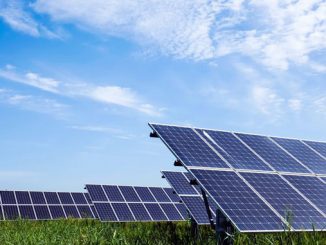
As the world accelerates its shift to renewable energy, solar power has emerged as a key driver of sustainable development. While solar panels and inverters often take the spotlight, the importance of solar cables and connectors, the silent workhorses of solar infrastructure, cannot be overstated. These components are crucial for ensuring safe, reliable and efficient transmission of power from PV, modules to inverters and storage systems. Solar cables and connectors form the backbone of any solar power installation, ensuring long-term system efficiency, reliability and performance.
In fact, the performance of a solar energy system is only as reliable as the materials used to connect and conduct electricity within the system. With the growing demand for clean energy solutions, these seemingly simple components have become integral to the overall functioning of solar infrastructure, significantly impacting energy generation, operational efficiency and system durability.
Evolving solar cabling technology
The solar cabling landscape has evolved significantly in the past decade to meet the growing demands of efficiency, longevity and safety.
One of the core requirements for solar cables is the ability to endure extreme environmental conditions – whether the scorching heat of deserts or the cold winds of northern regions. These cables must withstand high UV exposure, moisture, extreme temperatures and mechanical wear for over 25 years. This means that solar cables are designed to be more robust than conventional cables, requiring more advanced insulation and protective features to ensure longevity.
Cross-linked polyolefin (XLPO) insulation has emerged as the industry standard, offering superior resistance to thermal and environmental stresses. The cables have been designed to operate in temperatures ranging from -40 °C to +90 °C, providing a high level of thermal resilience. They are also engineered to resist UV degradation and are flame retardant, adding a layer of safety for installations in critical environments. Furthermore, halogen-free and fire-retardant cables have become a part of the new standards, elevating safety features in both residential and commercial solar power systems. These advancements reduce the risk of fire hazards, making solar installations safer for both homeowners and businesses.
Smart connectors and plug-and-play systems
The evolution of connectors has mirrored the technological sophistication seen in cabling. Traditionally, connectors have served a purely mechanical function, providing a physical link between PV modules and the rest of the system. However, today’s connectors, especially those based on the MC4 standard, are integral to optimising energy performance, reducing operational risks and enhancing overall system durability. The market has seen a surge in IP68-rated connectors, known for their excellent water and dust ingress protection, which makes them ideal for harsh, high-moisture environments. These connectors ensure seamless energy flow and significantly reduce the risk of faults caused by environmental conditions.
In addition, innovations in smart connectors are introducing a new layer of intelligence to solar installations. Smart connectors are now being designed with embedded sensors that allow real-time monitoring of system performance. These connectors can detect issues such as overheating or irregular current flow and send alerts to the system operator. This feature can help reduce downtime and improve operational efficiency, making solar systems even more reliable and cost-effective in the long run. The increasing demand for plug-and-play systems reflects the growing need for simplified installation processes. Pre-assembled connectors and cables minimise the risk of installation errors, enhance safety and reduce installation time, all of which are particularly valuable in large-scale solar projects.
Indian market and adoption trends
India has emerged as one of the fastest growing solar markets in the world, driven by ambitious government targets, declining technology costs and increased investor interest. As of April 2025, India has installed over 107 GW of solar capacity, with aggressive targets aimed at surpassing 280 GW by 2030. This growth has created a significant demand for high-performance solar cables and connectors. As large-scale solar parks and utility projects continue to grow, the need for advanced connectors and high quality cables to support efficient energy transmission has become even more critical. With massive investments flowing into solar energy, the adoption of high quality materials, including cables and connectors, is now a necessity for ensuring long-term project success.
Furthermore, the increasing focus on rooftop solar systems, both in urban and rural areas, is opening up new opportunities for solar cables and connector manufacturers. With rising electricity prices and a push towards sustainability, Indian homeowners and businesses are increasingly turning to solar power as a viable solution. This shift is driving demand for easy-to-install, reliable and cost-effective solar systems, creating opportunities for domestic manufacturers to provide high quality cables and connectors at competitive prices.
Local manufacturing and Atmanirbhar Bharat
The push for self-reliance under the Atmanirbhar Bharat initiative has given a significant boost to domestic manufacturing of solar components, including cables and connectors. Indian manufacturers have scaled up production capacities, invested in backward integration for raw materials such as copper and polymers, and established in-house research and development and testing laboratories. As a result, products are now being developed to meet both BIS and international IEC standards, ensuring that domestically manufactured components are globally competitive in terms of quality and cost.
The government’s emphasis on making India self-sufficient in the renewable energy sector is essential for ensuring the growth of the local manufacturing industry. By fostering innovation and creating policies that encourage local production, India can not only reduce its reliance on imports but also create jobs and boost economic growth within the solar sector. Moreover, local production reduces the environmental impact associated with transporting components from overseas and ensures faster delivery to meet the rapidly growing demand for solar solutions across the country.
Future outlook and recommendations
While technology and manufacturing capabilities have made significant strides, several areas still require further attention. For example, end-user education is paramount. Despite the availability of high quality cables and connectors, many rooftop solar developers still prioritise cost over quality. This can lead to problems such as faulty connections, reduced system efficiency and increased maintenance costs. It is essential for consumers and installers to understand the long-term benefits of investing in high quality, certified components. By educating end-users, the industry can ensure that consumers make informed decisions about the products they choose for their solar installations.
Installers and EPC contractors must also be better informed about the role of connectors in preventing arc faults and maintaining long-term system integrity. The growing complexity of solar systems requires installers to use the right products and follow proper installation procedures to ensure system reliability. Furthermore, more effort is needed to ensure that solar components adhere to quality standards throughout their life cycle. This includes stricter regulations for both manufacturers and installers, along with rigorous testing and certification processes.
The future of solar technology is bright, with continued advancements in smart monitoring, system automation and integration with smart grids. One such exciting development is the emergence of smart cables with embedded sensors that monitor real-time system performance. These innovations will allow solar systems to become more efficient, reliable and responsive to changes in energy demand.
In conclusion, the Indian solar market, supported by global technological advancements, will continue to evolve rapidly. By focusing on improving the efficiency, performance and safety of solar cables and connectors, India can position itself as a global leader in renewable energy technology. A collaborative approach between manufacturers, policymakers and end-users will be essential for building a sustainable and prosperous future for solar power in India and beyond.