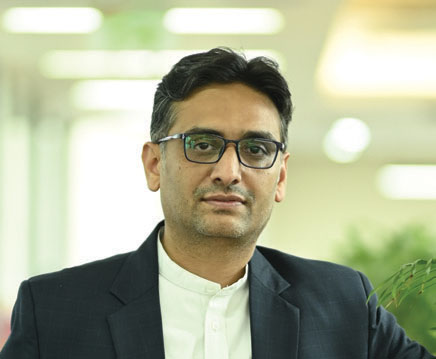
 As vice president, business development at the IEX, Dhruv Dhiman supports discoms in their participation in exchange-based products (such as the day-ahead market and real-time market), helping them optimise power purchase costs and achieve efficiency in energy procurement. He also assists with participation in the term-ahead market and cross-border electricity trades. His role encompasses driving merchant renewable energy capacity additions and exploring opportunities in battery energy storage systems (BESSs).
Dhiman has over 18 years of experience in the power sector, with expertise in business development, the commercial and industrial (C&I) market for open access, BESSs, renewable purchase obligation management, demand response and regulatory affairs. Prior to the IEX, Dhiman worked with a private distribution utility, managing critical aspects of power procurement.
His responsibilities included short- and long-term demand-supply management, load forecasting, scheduling and despatch monitoring, energy exchange operations, and the techno-commercial aspects of bulk power exchange. During his tenure with Customized Energy Solutions, he played a pivotal role in energy cost optimisation for C&I clients.
According to Dhiman, India’s power sector is in a transformative phase, characterised by rapid expansion in renewables, regulatory reforms and evolving market dynamics. The government’s ambitious renewable targets have accelerated the integration of renewable sources, improving the country’s energy mix and steering India towards a more sustainable future. This evolution is supported by strategic initiatives such as renewable energy certificate regulations, open access reforms and enhanced market mechanisms – including extended contract durations and increased auction frequencies – which together enhance competitiveness and market liquidity.
There are, however, several challenges such as the integration of high levels of intermittent renewable energy into the grid. This leads to challenges in maintaining grid stability and balancing supply with demand. Additionally, many discoms continue to struggle with high operational losses, outdated infrastructure and inefficient tariff structures.
Dhiman’s management style is collaborative and solution-oriented, with a strong emphasis on empowering team members and fostering a culture of innovation. He believes in leading by example, maintaining open communication and providing clear direction while allowing individuals the autonomy to leverage their strengths.