By Chandrakiran Lakshmisha, Analyst; and Upasna Ranjan, Senior Analyst, Climate, Environment and Sustainability sector, CSTEP
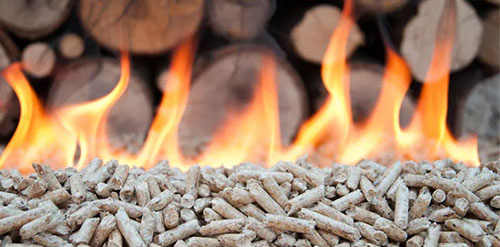
Karnataka generated an estimated 12,140 tonnes of municipal solid waste (MSW) per day in 2023, with Bengaluru alone accounting for nearly half of this total. Much of this waste remains unsegregated, unprocessed and left to decompose in landfills. This waste has the potential to address a major challenge in Karnataka’s cement industry. The cement industry, being a hard-to-abate sector, is facing increasing pressure to adopt sustainable practices and reduce reliance on fossil fuels. Simultaneously, urban local bodies (ULBs) are struggling with the issue of ever-growing landfills with no end in sight for daily waste generation. Enter refuse-derived fuel (RDF), the solution to both problems. RDF is manufactured from non-recyclable dry waste, such as plastics, paper, textiles and other combustible materials, and is used as an alternative fuel in cement manufacturing, where it can help reduce coal dependency and lower greenhouse gas emissions.
The integration of waste-to-energy pathways such as RDF can promote a more circular economy. For example, in Punjab, JSW Cement is actively working with Punjab Renewable Energy Systems Private Limited to use agricultural waste as biomass energy in its cement manufacturing operations to reduce stubble burning. However, in Karnataka, systemic inefficiencies, inadequate regulatory frameworks and a lack of critical infrastructure have created a gap between ULBs and cement manufacturers, hindering the integration of MSW into cement manufacturing.
According to a Karnataka State Pollution Control Board report, the state generated an estimated 3,476 tonnes of dry waste per day in 2021, the most recent year for which public data is available. Of the 3,476 tonnes, only 215 tonnes were converted into RDF and 118 tonnes sent to cement plants. An estimated 75 per cent of this waste was dumped into landfills without recycling or processing. Unprocessed landfill waste emits large amounts of greenhouse gases and leaches into the soil and groundwater, causing various negative health impacts. ULBs are already paying a hefty price for inaction, both financially and environmentally. Given this context, Karnataka’s cement industry might provide the solution to transform the state’s waste management capabilities by maximising RDF use in its operations.
RDF use in cement kilns is governed by the Solid Waste Management (SWM) Rules, introduced in 2016, by the Ministry of Environment, Forest and Climate Change. The rules take a holistic approach to waste management, addressing both waste generation and utilisation. For ULBs, the rules mandate that all non-recyclable waste that has more than half the energy output of coal, that is, 3,000 kCal per kg, must be converted into RDF and sent to cement plants. In December 2024, the ministry updated the rules, which will be effective from October 2025. Cement plants within a 400-km radius of an RDF facility are now required to meet at least 15 per cent of their fuel needs through RDF by 2031. The rules also allow ULBs and cement plants to negotiate the price to be paid by cement plants for RDF and transportation. Despite these mandates, the share of RDF in the fuel mix of major cement plants in Karnataka remains chronically low, hovering around 5 per cent even eight years after the previous SWM rules came into effect.
There are several reasons for this. First, only a fraction of the total waste is converted into RDF and sent to cement plants. ULBs must ramp up waste processing capabilities across the state for sufficient supply of RDF to cement plants. Second, inadequate transport infrastructure poses a major challenge. Many major cement plants are concentrated in Kalaburagi in north Karnataka, which is over 400 km from Bengaluru, the state’s largest waste generator. This often leads them to source RDF from outside the state. Third, the high cost of RDF, including the price set by ULBs along with transportation costs, is not economical for cement manufacturers, especially when the cost of coal is currently comparable. In developed countries like the US or Germany, local governments often pay cement manufacturers to use RDF, but in India, cement companies have to pay for RDF. Although ULBs must set competitive prices to recover the cost of RDF production, there is scope to reduce costs by scaling up operations and optimising waste processing systems to achieve economies of scale.Karnataka can implement solutions to improve the production and utilisation of RDF such as enforcing waste segregation at the source to ensure a steady supply of quality dry waste, setting caps on RDF prices to incentivise cement manufacturers, and developing dedicated transport and logistics infrastructure to ensure Bengaluru’s waste reaches cement plants across the state.Karnataka has a unique opportunity to advance the circular economy by addressing two key challenges: waste management and industrial decarbonisation. The state is already leading the way by developing India’s first circular economy policy, mandating that 20 per cent of all construction materials be sustainable. Integrating RDF into this framework can create a win-win solution, enabling ULBs to manage solid waste effectively while helping cement companies reduce emissions. By fostering collaboration through targeted policies and infrastructure investments, Karnataka can build a sustainable and efficient waste management model.