

 By Piyush Sohani, Chief Growth Officer and India Managing Director, Sistema.bio
As a country with vast agricultural and forest resources for a growing population, India has the potential to unlock the power of biomass to meet energy demand and address environmental concerns. By converting crop residues, animal waste, forestry by-products and municipal solid waste into renewable energy sources, India can sustainably strengthen its energy landscape. This green energy can be used for cooking and heating, while its residue serves as an effective organic fertiliser. Apart from clean fuels, bioenergy provides social and environmental benefits.
Current landscape
India ranks fourth globally in bioenergy installed capacity. It produces around 750 million metric tonnes (mmt) annually, of which 228 mmt is surplus as per the Ministry of New and Renewable Energy’s press release dated July 22, 2024. As the most populous country, India generates 160,038.9 tonnes per day (tpd) of municipal solid waste. It has a livestock population of 535.78 million, with over 56 per cent being bovine– a major source of methane, a powerful greenhouse gas (GHG). Converting solid waste and manure into biofuels helps reduce methane emissions and slow down near-term global warming. Further, India is projected to produce 125 million tonnes of garbage annually by 2031, leading to a sharp increase in methane emissions, breathing problems and deteriorating health conditions apart from rising global temperatures.
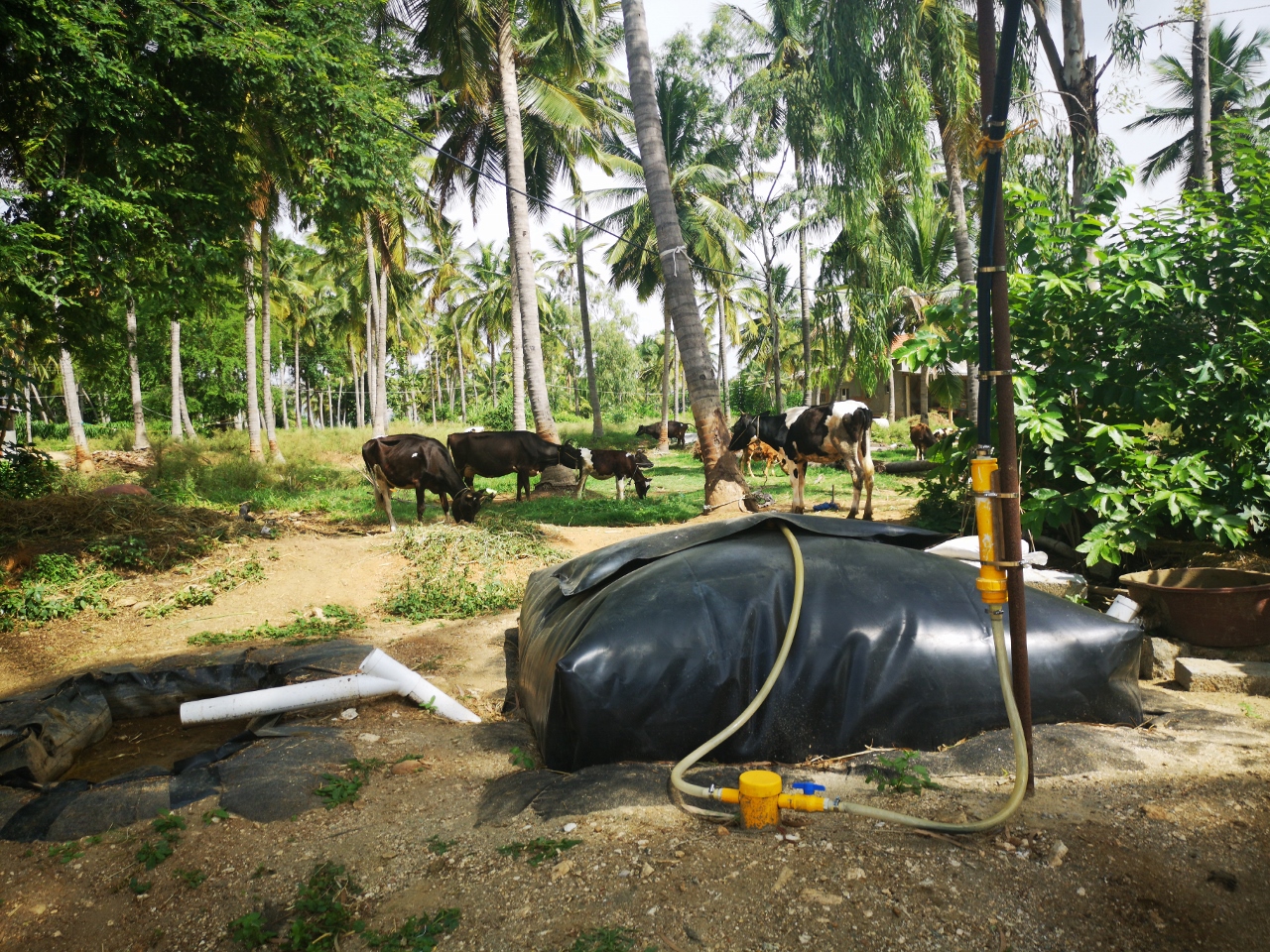
Thus, options such as household or domestic biogas plants can be explored. Apart from being portable, household biogas plants can be easily installed, operated and maintained near households to meet domestic energy requirements such as cooking gas and electricity for small farming machinery. Therefore, developing the biogas industry, especially at the grassroots level, is essential for strengthening the country’s energy security and achieving its ambitious climate goals.
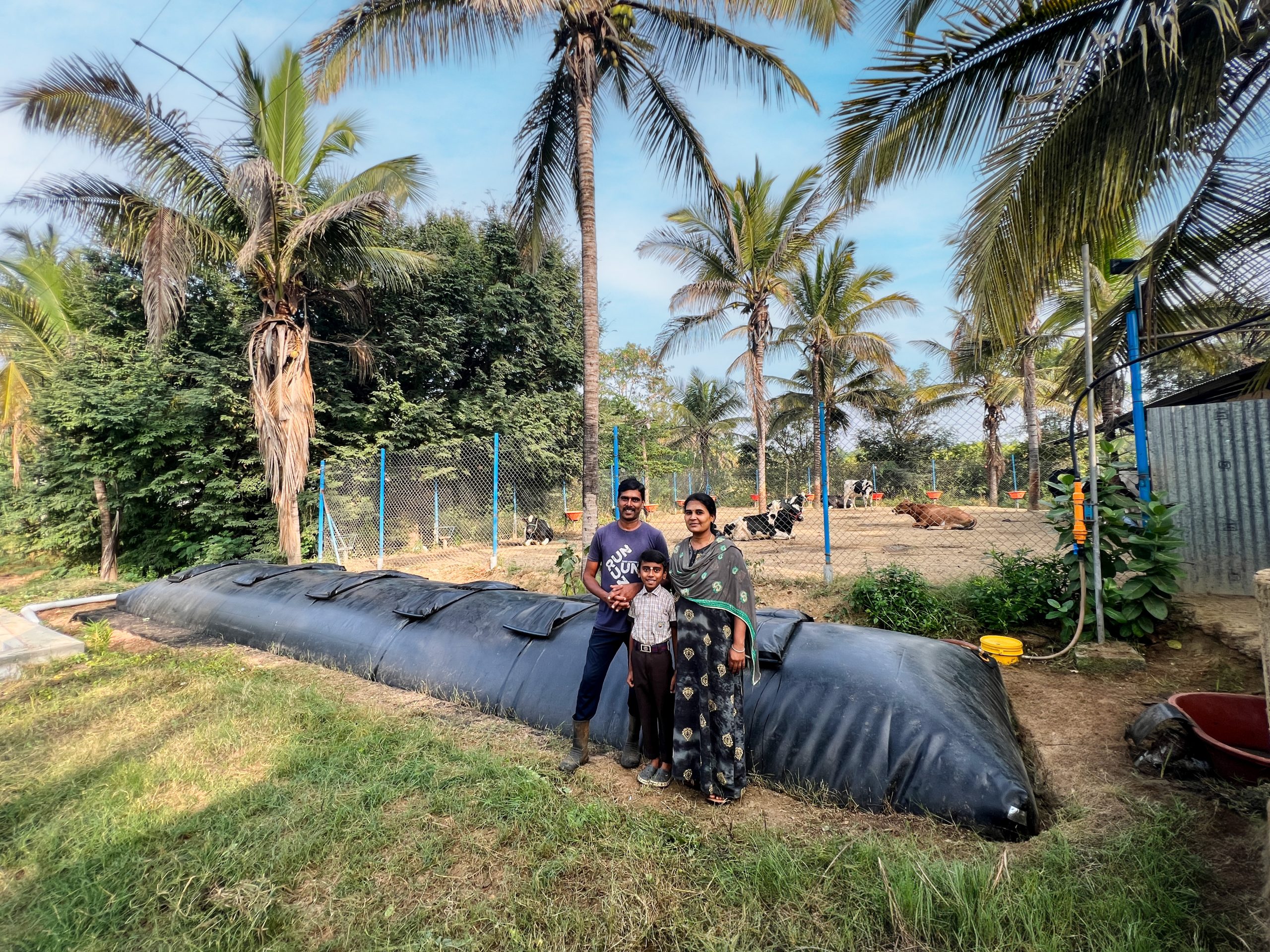
The government has rolled out initiatives to promote large-scale biogas adoption. Over the years, policies, such as the National Biogas and Manure Management Program, the National Biofuel Policy, the Galvanizing Organic Bio-Agro Resources Dhan (GOBARdhan) scheme, the National Bioenergy Programme and the Pradhan Mantri Kisan Urja Suraksha Evam Utthaan Mahabhiyan, have been implemented to promote domestic biofuel production in rural regions with the support of financial aids, grants and subsidies, etc. This has also alleviated the rural energy crisis by effectively conserving and utilising local resources. Overall, with these policy interventions, the Indian biogas market is expected to grow at a compound annual growth rate of 5.27 per cent from 11 GW in 2024 to 14.22 GW by 2029, according to PwC research.
Barriers to growth
Despite the numerous advantages of modern biogas technology, its adoption has been slow due to various economic and social challenges. The lack of awareness among farmers about modern biogas technology and its associated benefits has led to its fragmented usage. Financial barriers such as high cost, difficult financing options and lack of easy credit, especially for rural people, hinder its adoption. Further, due to a lack of technical knowledge and experience with traditional systems, farmers often struggle to accept and trust modern biogas technologies. However, a concerted push from the government and private entities through targeted policies and strategies — such as knowledge transfer, swift disbursal of subsidies, interest-free loans and sponsorship of digesters — can help overcome these barriers.
Impact of biogas on India’s energy and sustainability goals
Clean and renewable energy offers both environmental and economic benefits, reducing dependence on fossil fuels and LPG. This is particularly crucial for a country like India, which has a population of 1.46 billion and is the third-largest GHG emitter in the world, according to the IEA. This energy transition will also help mitigate climate change, improve air quality and support the government’s net zero pledge while also reducing import bills. Biogas will also serve as a suitable replacement for traditional cooking fuels, enhancing energy security and affordability. It will also boost local job creation and strengthen rural resilience, aligning with the government’s Atmanirbhar Bharat vision.
Conclusion
Biomass and biogas play a key role in advancing India’s net-zero commitment. Therefore, for a sustainable energy future, it is essential to develop a strategic roadmap that seamlessly addresses the sector’s technological, social and economic challenges. Continued research and development, policy support and incentives are required to unlock the full potential of biomass and biogas and pave the way for a cleaner and greener future while building a resilient community.
