 By Kartik Hajela, CEO – Battery Division, Jupiter Electric Mobility
If the past three decades have shown us anything, it’s that innovation in electric vehicles (EV), especially battery technology, has been radical. The ‘e’ prefix today powers everything from consumer electronics to electric vehicles and energy storage facilities. And this has been possible only because of the rapid transformation of batteries into heavy engineered systems. The 1990s saw the prohibitive adoption of lithium-ion packs since they were still too expensive as well as technologically underdeveloped. As time went by, chemistry advances, smart cell-to-pack designs, as well as economies of scale, have lowered costs while storage capability tripled or quadrupled. Technologies such as lithium iron phosphate (LFP) chemistries, silicon-carbon anodes, and sophisticated thermal management systems have brought the industry from an expert domain to general approval, paving the way for widespread transportation electrification.
For India, innovation in batteries is important many times over in the automobile industry. Cost is the largest barrier to EV uptake, highest at 35-40 per cent of a vehicle’s price from batteries alone. Efficiency improvements in manufacturing and new chemistries straightaway enhance affordability, getting EVs closer to cost competitiveness with internal combustion vehicles on both purchase and operating costs. Performance is also important; Indian buyers want long range, high reliability in harsh weather, and low downtime.
Batteries at the core of clean energy push
Battery innovation, both at the cell level and the system level, has been the single most important driver of EV adoption and scale worldwide. In India, where affordability and performance determine adoption, this innovation is even more pivotal.
At the cell level, the last two years have seen significant gains in energy density, with capacities scaling from 3XX to 5XX formats. This evolution, particularly within LFP chemistries, has led to lowered costs and increased durability, making EVs, most notably the commercial electric vehicle, increasingly viable where the cost of ownership is the key driver. The next two years will see the arrival of innovations, including the development of solid-state electrolytes and silicon anodes for lithium cells, with the preliminary adoption of sodium-ion technology. Together, the technologies are predicted to bring enhanced cycle life, improved safety, and increased energy density, attributes that will increasingly enhance the range, performance, and economy of India’s growing EV ecosystem.
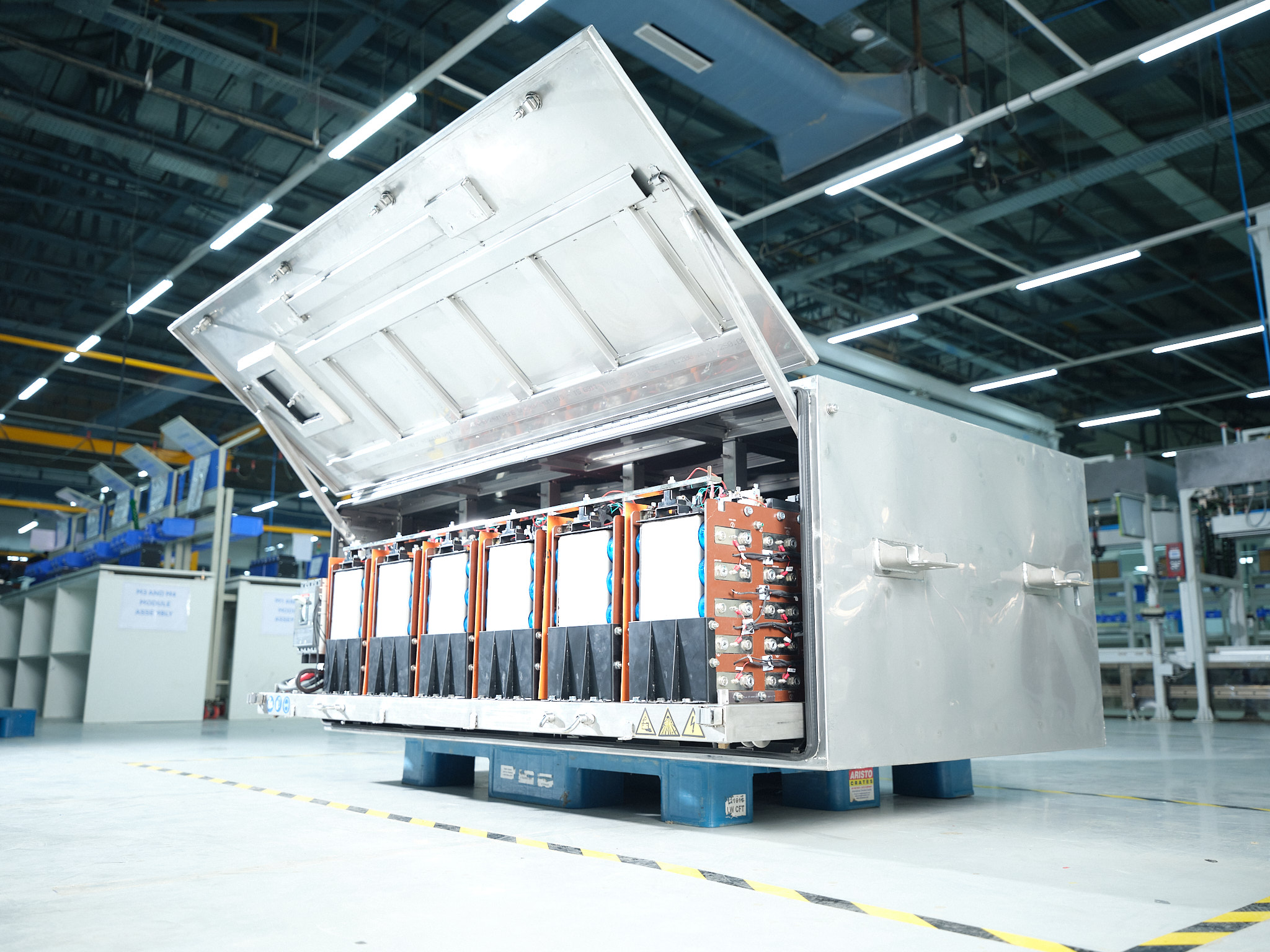
At the system level, scaling up of high-voltage architectures and increasing component standardisation, particularly in segments above three-wheelers, has enabled greater efficiency and scalability. Battery cooling technologies have now become mainstream in cost and scale, helping manufacturers deliver safe and long-lasting battery systems even under India’s demanding weather conditions. Motor controllers and motors have been crucial steps in the last 3 years to create scalable vehicles for the e-LCV segments.
 Supply chain and recycling challenges
Meanwhile, supply chain resilience has surfaced on the strategic agenda. As penetration for EVs is increased, access to raw materials like lithium, cobalt, and nickel will be the longevity key, while recycling and second-life will be the sustainability key. Yet, challenges remain with recycling levels at below 5 per cent. Without increased collection networks, new recycling technologies, and facilitating regulation, environmental advantage will be erased. Dependence on imports has its own challenges, highlighting the requirement for domestic refining as well as cathode-anode manufacturing. Modular battery packs specifically well-suited for the requirements from the two-wheeler to heavy vehicles are proving pragmatic for the market. The case for the development of local refining, cathode, and anode production, and robust supply chains is thus that much greater. Component and process innovation by domestic auto-comp players will further bring down system costs and improve efficiency.
Energy storage as an enabler
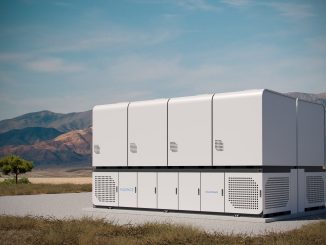
India deployed over 341 MWh of battery energy storage capacity during 2024, some six times what had been deployed during 2023, raising overall cumulative capacity to nearly 442 MWh. Cell chemistry, pack design, and manufacturing efficiency innovations are constantly decreasing the cost and improving performance. Battery energy storage systems (BESS), on the other hand, are also beginning to play an increasingly key role in charging network strengthening, making round-the-clock clean power feasible by leveraging minimum stress on the grid. The infrastructure is able to perform reliably even during variable renewable generation. As EV adoption increases, better battery tech, synergies with storage, and scaling up will be the watchword for mobility as well as making clean power feasible round-the-clock.
The EV push ahead
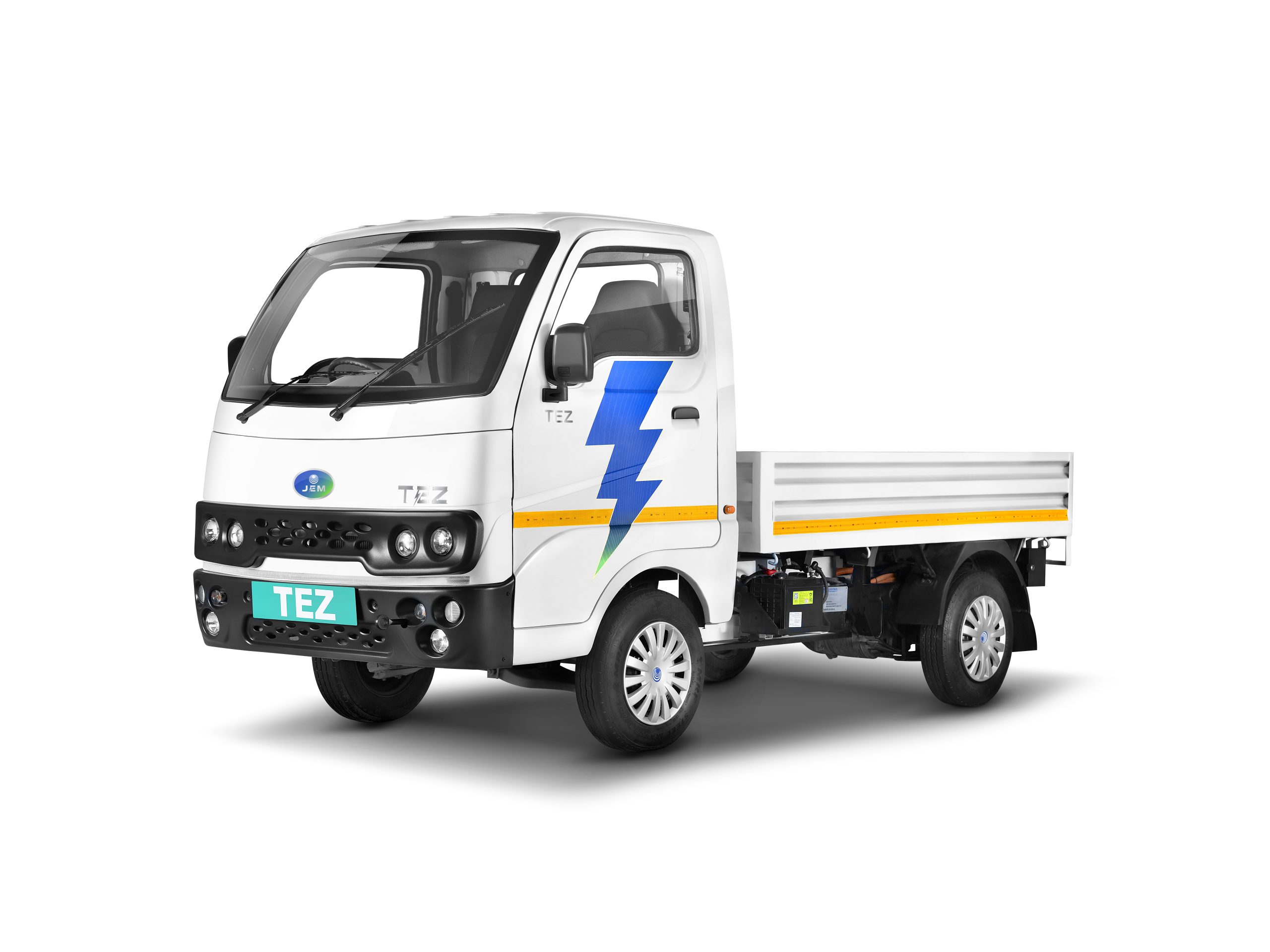
The nearest-term catalyst for EV revolution comes in the light commercial vehicle segment. Operators in last-mile logistics, delivery, and intra-city transportation are extremely cost-conscious and are perfect adopters for electric vans and light trucks. Innovation in batteries straight away enhances their business economics, with reduced costs, greater uptime, better safety, and foreseeable charging or swap schemes. As the segment gets electrified, economies of scale would be achieved, charging infrastructure gets built out, and EVs get normalised in the larger marketplace. The light commercial vehicle’s EV transition is, in many respects, the inflexion points for electrification of our transport ecosystem.
Innovation in the sphere of batteries, therefore, becomes the defining feature of our journey to electric vehicle path. The continued decline in the cost of the battery, coupled with performance and safety enhancements, is making EVs even more desirable for consumers as well as corporate entities. Our challenge is to synchronise sustainable growth with industrialisation and globalisation so that the domestic capability to manufacture batteries is built up and supply chains are secured. Making India an attractive location in the global EV battery market would be key to the promise of energy security as well as the country’s long-term growth story. The curve of innovation is bowing towards India’s advantage ever so steadily; the challenge now is therefore to sustain the same with vision, policy support, as well as industrial boldness.