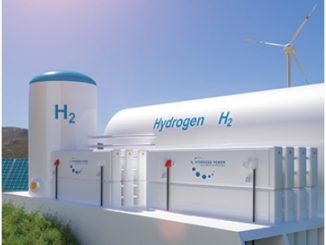
At the Indian Institute of Science (IISc), Bengaluru, researchers have developed a system that produces 99 per cent pure green hydrogen using agricultural waste. The system is capable of generating 5 kgs of over 99 per cent pure hydrogen per hour using farm residue that would otherwise be burned or emit methane. Each kg of green hydrogen produced removes more than 1 kg of carbon from the atmosphere, making it both a fuel source and a carbon-reduction technology. The innovation aligns with the National Green Hydrogen Mission (NGHM), which has a projected investment of Rs 8 trillion and aims to produce 5 million metric tonnes of green hydrogen annually, with an associated renewable energy addition of 125 GW.
As part of the NGHM, the central government has already allocated funds for an annual production capacity of 3,000 MW of electrolyser systems and sanctioned production for 860,000 tonnes of green hydrogen per year. Additionally, five pilot projects involving 37 hydrogen-powered vehicles and 9 hydrogen refuelling stations are under development. The Ministry of New and Renewable Energy (MNRE) outlined four key challenges for the scientific and academic community: developing safe hydrogen storage systems, reducing the cost of electrolysis, cutting the cost of hydrogen-powered vehicles, and bringing the price of green hydrogen down from Rs 300-400 per kilogram to Rs 100. The target cost of $1 per kilogram by 2030 remains a key national priority.
Through pilot projects, financial support, and industrial collaborations, the MNRE aims to scale up such innovations for commercial use. Furthermore, the government has encouraged institutions like IISc to focus on next-generation electrolysis units using nanomaterials, and high-efficiency, low-cost fuel cells.