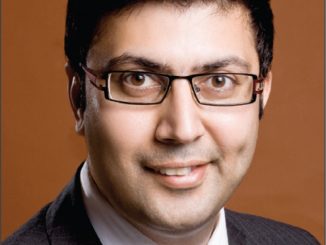
Manik Thapar is founder and chairman of Eco Wise Waste Management Private Limited, a waste management company offering collection, segregation, processing, recycling, product destruction, e-waste management, asset dismantling and extended producer responsibility services. The company processes over 100,000 tonnes of waste annually across more than 25 cities and diverts about 100 tonnes of waste from landfills every day.
He started Eco Wise at the age of 24 after completing his MBA in Michigan. At a time when he had opportunities to build his career in North America, he chose to return to India and build a business around a sector that was still largely informal and underdeveloped. His decision to build a full-service waste management platform stemmed from the realities of waste generation, where businesses typically generate multiple waste streams. “The client does not want five vendors. They want one partner who handles everything,” he says.
According to Thapar, India’s waste management sector has evolved from an informal, largely unregulated activity into a more structured industry shaped by compliance, traceability and circular economy principles. He believes the market is moving from commodity waste hauling to compliance-as-a-service, creating opportunities for registered processors that can provide weighment data, vehicle tracking, processing certificates and compliance documentation.
His experience has also exposed him to some of the less visible challenges of operating in the sector. In particular, he points to the control of waste collection territories by informal cartels and mafia in several cities. “Try to operate in a new area and you will find your trucks blocked, your staff threatened and your contracts suddenly under review,” he adds.
Additionally, he identifies working capital and manpower as persistent challenges. With corporates often operating on long payment cycles while fuel, labour and vehicle-related expenses are incurred daily, he believes the sector continues to operate under significant financial pressure. He also points to the “dignity deficit” associated with waste work. At Eco Wise, he has sought to address this through professional training, uniforms, housing support and a more structured work environment.
Looking ahead, Thapar remains focused on expanding Eco Wise’s formal waste management and compliance capabilities while increasing landfill diversion. “The real answer to landfill diversion is not technology. It is economics,” he says.