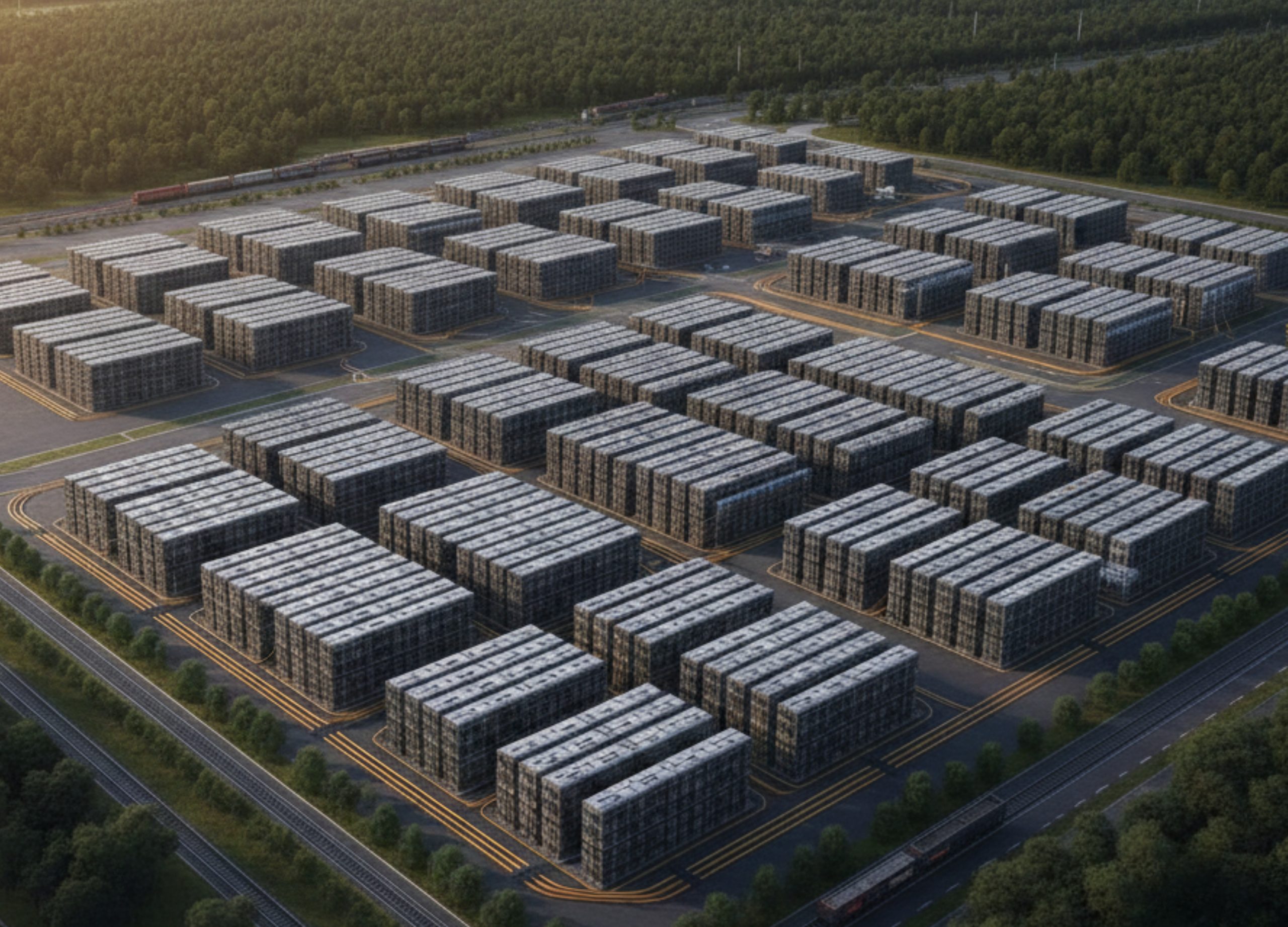
 India’s battery energy storage system (BESS) sector has entered a new phase with the recent commissioning of merchant BESS projects. In January 2026, Juniper Green Energy commissioned a 100 MWh BESS project in Bikaner, Rajasthan. Developed by Juniper Green Cosmic Private Limited, the project was implemented in two phases, with 60 MWh commissioned in December 2025 and the remaining 40 MWh in January 2026. The system received approval from the Northern Regional Load Despatch Centre and began commercial operations on January 23, 2026. In addition, recently, in March 2026, ACME Solar also commissioned a 143 MW/481 MWh BESS project in Rajasthan that will also operate on a merchant basis. Unlike most battery storage projects in India that operate under long-term contracts with utilities, these facilities will participate directly in electricity markets rather than sell power through fixed agreements. Their revenues are expected to be derived from multiple streams, including power market arbitrage, grid balancing and ancillary services. The commissioning of these projects signals the growing recognition of battery storage as a commercially viable infrastructure asset in India’s evolving power markets.
Dynamics of merchant storage
Battery storage operates on a simple principle: batteries charge when electricity prices are low and discharge power when prices rise, capturing value from price differences in electricity markets. India’s power sector is increasingly displaying the market dynamics that support this model. The rapid expansion of solar energy has led to large volumes of electricity being generated during daytime hours. When solar output peaks in the afternoon, supply can exceed demand, resulting in lower electricity prices on power exchanges. However, as solar generation declines after sunset while demand remains relatively high, particularly during evening hours, power prices tend to rise.
Battery storage can bridge this gap. By storing excess electricity during low-price periods and supplying it during peak demand hours, batteries can capture value from these price differences. This process, commonly referred to as energy arbitrage, forms the core revenue mechanism for merchant battery systems. In addition, batteries can generate income by providing grid support services such as frequency regulation and balancing supply and demand. These capabilities are becoming increasingly important as renewable energy accounts for a larger share of the power mix.
Expansion of power markets
The expansion of India’s short-term power markets is another factor supporting the emergence of merchant battery storage. Over the past decade, electricity trading through power exchanges has grown steadily. Utilities, power producers and large consumers are increasingly using these platforms to buy and sell electricity on a short-term basis. As market volumes grow, price signals are becoming more prominent. These signals create opportunities for flexible resources such as battery storage to participate actively in the market.
Variable renewable energy growth is further strengthening this opportunity, as it often leads to fluctuations in electricity prices across different hours of the day. While this variability can pose operational challenges for grid operators, it also creates revenue opportunities for flexible technologies. Battery storage is particularly well suited to this role because it can respond quickly to market signals. Unlike conventional power plants, which may take several minutes or even hours to ramp up generation, batteries can switch from charging to discharging within seconds. This flexibility allows them to capture value from short-term price spikes and provide balancing services to the grid.
Falling battery costs
Another important factor driving interest in merchant BESS is the steady decline in battery technology costs. Over the past decade, the cost of lithium-ion batteries has fallen sharply due to improvements in manufacturing processes, economies of scale and the rapid growth of electric vehicle markets worldwide. Lower costs have made grid-scale battery storage increasingly competitive with traditional non-fossil-fuel-based peaking power plants. At the same time, electricity market revenues are becoming more attractive as renewable energy penetration increases. Together, these trends are strengthening the financial case for merchant battery investments.
Short-duration batteries, typically capable of storing electricity for one to two hours, are likely to dominate the early stages of merchant storage deployment in India. These systems are well suited to capturing short but intense price spikes that occur during evening peak demand periods. As renewable penetration increases further and price volatility extends over longer durations, longer-duration storage systems may also become economically viable.
Future outlook
Going forward, merchant BESS could complement government-supported storage programmes and contracted BESS projects by introducing market-driven flexibility into the power system. By responding to price signals in real time, these systems can help reduce volatility, improve grid stability and optimise the use of renewable energy. The development of ancillary service markets, improvements in electricity market design and continued reductions in battery costs will all play a key role in shaping the merchant storage landscape. If these conditions evolve favourably, merchant battery energy storage could emerge as a significant component of India’s electricity markets.