By Manikumar Uppala, Founder and Chief of Industrial Engineering, Metastable Materials
The global Li-ion battery market is projected to reach $86 billion by 2025, growing at a CAGR of over 20 per cent. This rapid growth necessitates discussion of the environmental concerns that come with these batteries, which include raw material supply chain issues such as sourcing from mining; the environmental impact of improper disposal, which can lead to hazardous chemicals contaminating soil and water; and fire hazards from damaged Li-ion batteries or the improper handling of these batteries, especially in waste management facilities.
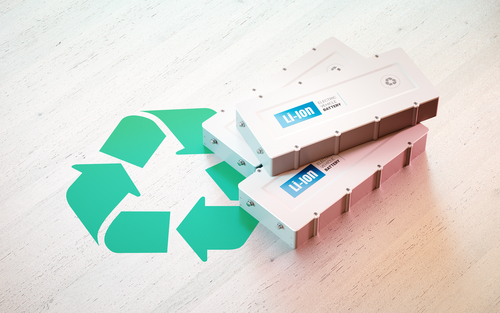
India has the potential to develop its recycling market and become a key player in the global scenario. The government has recognised that the transition to EVs must be supported by a robust battery ecosystem that is self-sufficient. Union Budget 2025 includes customs duty cuts for key battery materials, which is a major step towards building a battery ecosystem. The upcoming Critical Minerals Policy is a further attempt to ensure raw material security and support the battery ecosystem. For the recycling sector, the Battery Waste Management Rules, 2022 mandate extended producer responsibility for battery manufacturers and recyclers, promoting responsible disposal and material recovery. The production-linked incentive scheme for advanced battery manufacturing further encourages the local production and integration of recycled materials. With the increasing adoption of EVs, clean energy storage and consumer electronics are driving the demand for Li-ion batteries. This creates a growing stream of end-of-life batteries, making recycling a necessity. India is developing its recycling technologies, with many companies investing in hydrometallurgy and hybrid methods, as well as inventing new technologies based on mining practices, mechanical processes and direct recycling processes to recover materials such as lithium, cobalt and nickel.
Opportunities in the recycling sector
Recycling offers a cost-effective way to recover valuable metals, reducing dependence on imports and the unreliable supply chain. This can lower the cost of battery production for manufacturers.
Integrating recycled metals into battery production or other industries that use these metals in batteries will create a circular economy, minimising waste and environmental impact. Lithium, cobalt, nickel and other metals used in Li-ion batteries depend on a supply chain with multiple players and can be beset by supply constraints due to geopolitical and other uncertainties. Recycling is a solution to mitigate raw material shortages and meet the demand for these critical materials.
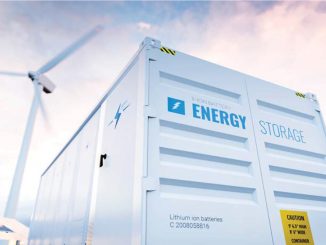
Refurbishing and reusing used EV batteries for less demanding applications such as energy storage systems after the batteries have reached the threshold for their first-life applications can create new revenue streams and extend the life of the batteries.
India’s EV market is rapidly growing, with EVs becoming a mainstream mode of transportation. Its population and the Digital India campaign, combined with rising disposable income, make India one of the largest smartphone markets in the world, second only to China. The adoption of clean energy and energy storage solutions is also growing. Globally, only 5 per cent of batteries are recycled, and India’s domestic recycling capacity is slightly above 2 GWh. By 2030, an estimated 128 GWh of batteries will be ready for recycling, solely from EVs.
The growth of the recycling industry will create new jobs in processing and research and development. With the increasing focus on achieving sustainable development goals, governments across the world are looking at battery recycling. For example, the European Union has implemented the Battery Directive, which aims to increase the percentage of recycled batteries. The recycling industry will significantly gain from new legislation supporting positive environmental policies.
Challenges facing the recycling sector
The lack of organised collection mechanisms for end-of-life batteries presents a major hurdle. This means that despite reaching their end of life, batteries are not recycled. When end-of-life batteries reach recyclers through the waste collection sector and middlemen in scrap markets, the forms and chemistries are mixed up. This complicates processing, as recycling methods vary for different chemistries and form factors. Most recycling plants have high initial capital investment and processing costs. The cost of recycled metals depends on the commodity market, making business margins tight. To mitigate cost concerns, recyclers must reduce processing costs by innovating further, receiving homogeneous feedstocks, and diversifying products for different industries and services. Handling and processing end-of-life Li-ion batteries poses safety risks since lithium batteries are prone to catching fire. Strict safety protocols and training in the waste management sector are essential. Awareness about proper battery disposal is low, presenting a need to promote education on responsible recycling practices.
The industry faces a combination of opportunities and challenges. With the right investments in infrastructure, technology and regulatory frameworks, these opportunities can be capitalised on and the challenges addressed.