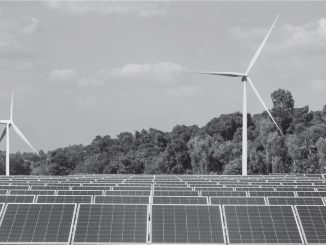
India requires unprecedented investment in renewables, storage and grids to achieve its target of 500 GW of clean power by the end of the decade. Facilitating this large-scale infrastructure build-out demands low-cost capital, which hinges on effectively managing risks. This report examines investment risks in India’s renewable energy sector and outlines strategies to address them.
India stands at a pivotal moment in its renewable energy journey, with an ambitious target of 500 GW by 2030 requiring significant investment. Achieving this scale hinges not only on the availability of capital but also on ensuring it is available at a low cost. Attracting low-cost capital is critical on two fronts: enabling the development of renewable energy infrastructure at the required scale and ensuring that the promise of affordable renewable electricity is realised.
This report “Navigating risks to unlock 500 GW of renewables by 2030” by EMBER highlights key challenges in India’s renewable energy (RE) sector that could increase the cost of capital, potentially hindering the sector’s growth. Addressing these risks through targeted policy measures, innovative contracting mechanisms and proactive expectation management is crucial for maintaining a steady flow of investments. Collaborative efforts from project developers, financiers and policymakers will be indispensable in mitigating these risks and ensuring the successful realisation of India’s ambitious renewable energy targets.
Access the report here