Founded in June 2020, BiofuelCircle aims to build a reliable and cost-effective bioenergy supply chain. The company’s primary objective is to promote the use of biofuels as a sustainable alternative to traditional fossil fuels. It aims to create a circular economy in the biofuel industry by connecting various stakeholders in the supply chain, including farmers, biofuel producers and end-users. In addition, the company offers solutions that streamline the biofuel production and distribution process, such as supply chain management tools, quality assurance services and market connectivity platforms.
The company’s two primary areas of focus are creating incentives and infrastructure in the rural segment to enable industrial-scale biomass supply; and bridging the gap between the relatively unorganised rural supply side and sophisticated industrial buyers demanding reliability, quality and predictability. To address these, the company has set up biomass banks and created an e-commerce marketplace.
Biomass banks
A biomass bank consists of a complete infrastructure supported by a digital platform, allowing for an efficient, rural-based biomass supply chain. The process begins with a farmer app that registers local partners, such as tractor owners. These partners can earn additional income by offering their machinery for biomass aggregation. This process creates local storage hubs, which then ensure a steady supply of biomass throughout the year while maintaining quality and reliability. In the areas where biomass banks operate, they provide easy access to biomass collection points every 10-15 km. Anyone in these areas can deposit their waste, with BiofuelCircle either collecting it or accepting it at designated locations.
There are two participation models for biomass banks: warehouse enterprise and aggregation enterprise. In the warehouse enterprise model, BiofuelCircle leases land to store biomass. Currently, the company owns 25 warehouses across India, each capable of storing around 10,000 metric tonnes (mt). These are company-operated facilities. In the future, the company will develop smaller partner owned and operated warehouses. The aggregation enterprise model involves rural partners who typically own tractors and provide transportation services. The company supplies additional aggregation machinery, such as balers or crushers, while the partners handle transportation and aggregation. This partnership can generate an income of Rs 300,000-Rs 1 million annually, depending on their level of activity.
E-commerce marketplace
Complementing biomass banks is BiofuelCircle’s e-commerce marketplace, a platform that connects biomass buyers and sellers. With over 1,200 participants, including more than 1,000 sellers and 200 buyers, the marketplace has become a vibrant ecosystem for biomass trading. The platform retains the character of a marketplace rather than evolving into an exchange. Sellers can list their capacity, undergo third-party audits for verification and receive ratings based on their infrastructure, quality processes and transaction history. This system provides buyers with valuable information about the entities they are dealing with.
BiofuelCircle’s marketplace offers various transaction models, including direct bidding, auctions and bilateral transactions. The company does not influence prices but provides historical data and publishes a monthly newsletter with price advisories, serving as a decision support system for both buyers and sellers. The platform facilitates approximately 25,000 mt of biomass pellets and briquettes trade monthly. It generates revenue through subscription fees and transaction commissions. Additionally, it offers value-added services such as delivery and access to working capital through partnering with non-banking financial companies, further enhancing the platform’s utility for participants.
Select case studies
The following are three select case studies that demonstrate how BiofuelCircle solves the issues faced by stakeholders in the bioenergy space, especially with respect to the procurement of biomass:
Mafatlal Industries Limited: This Gujarat-based company used BiofuelCircle’s platform to transition from coal to biomass. With no prior experience in biomass procurement, Mafatlal Industries relied on the platform’s tools for vendor qualification, floating requests for proposals, Inviting bids and managing digital transactions.
Godrej Group: As an existing biomass user, the Godrej Group faced challenges with unreliable and uncertain supply chains dominated by traders and aggregators. By using BiofuelCircle’s platform, it achieved more reliable supply at contracted prices over longer terms, enabling better budgeting and performance predictability.
NTPC Limited: As part of a pilot programme, NTPC chose BiofuelCircle to create a customised biomass procurement platform. The system incorporates NTPC’s specific engagement rules and PSUs’ procurement processes. In its first auction using the platform, NTPC procured 9,000 mt of biomass in just 45 minutes. BiofuelCircle customised its auction platform to meet NTPC’s specific requirements as a PSU. The platform manages the entire process, from supplier qualification to payment. BiofuelCircle implemented a 120-point verification programme for pellet manufacturers, categorising them as green-blue-or silver-verified suppliers based on their scores. This system ensures that NTPC works only with qualified vendors meeting specific criteria. The auction process, designed to align with NTPC’s guidelines, included features such as minimum price settings and price slabs. The platform’s auction engine operates with two windows – an initial window and a recoat window – allowing NTPC to select multiple sellers efficiently. Once sellers accept orders, the platform generates letters of intent, which are then converted into contracts through NTPC’s internal processes. The platform then manages the scheduling of deliveries, despatches, receipt of payments and quality assurance, demonstrating its capability to handle all non-core functions in the supply chain.
Funding and the way forward
The business verticals of BiofuelCircle include the setting up of physical infrastructure (biomass banks and warehouses) and in-house technology, both requiring heavy investments. To this end, the company has raised significant funding over the years. Overall, the company has raised a total of Rs 750 million in equity over four funding rounds. The latest round, which concluded in June 2024, raised Rs 450 million. Key investors include Spectrum Impact, Better Capital and Mumbai Angels. The company also has access to Rs 500 million in debt financing, with plans to increase this to Rs 1 billion. This combination of equity and debt is driving the company’s growth, with funds being allocated to three main areas – technology development, physical infrastructure and rural partner infrastructure.
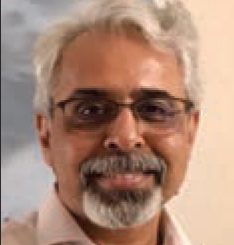
The company has ambitious targets going forward. By the end of March 2025, it plans to have 35 warehouses, each with a capacity of 10,000 mt, bringing the total storage capacity to 350,000 mt. The number of rural partners, currently over 1,000, is also expected to double as the business grows. Suhas Baxi, co-founder and chief executive officer (CEO), BiofuelCircle, says, “Going forward, we are setting up four biomass banks in the vicinity of Prayagraj and another four in Barabanki. We have already set up three such banks in Barsana. So, in Uttar Pradesh, a total of 11 biomass banks are being operated. In addition, we are setting up two biomass banks on the border of Punjab and Haryana. In Gujarat and Maharashtra, three biomass banks have been established in each state, and we are setting up three more in Andhra Pradesh. This harvest season we will begin collecting biomass from all these locations. This will lead to a significant increase in activity over the course of around 40-45 days at the end of the season.”
Despite the promising outlook, the company faces challenges in accessing government support. The company highlights a gap in government support for supply chain companies in the bioenergy sector. While there are financial incentives for biogas producers and briquette manufacturers, companies focused solely on supply chain management are not eligible for similar support. The company advocates for extending existing programmes to cover supply chain companies, emphasising the critical role they play in the bioenergy ecosystem. “Extending the programme, which was launched for biogas and compressed biogas companies, to pure-play supply chain companies focused only on the biomass supply chain would be really helpful,” says Baxi.
In conclusion, BiofuelCircle’s innovative approach to the biomass supply chain, combining digital platforms with physical infrastructure and rural partnerships, presents a compelling model for scaling bioenergy in India. By addressing key challenges in rural incentivisation, supply reliability and market access, the company is not only creating economic opportunities but also contributing significantly to India’s renewable energy goals. As the biomass sector continues to evolve, companies like BiofuelCircle will play a crucial role in shaping a more sustainable and circular energy economy.
Based on an interview with Suhas Baxi, Co-founder and CEO, BiofuelCircle