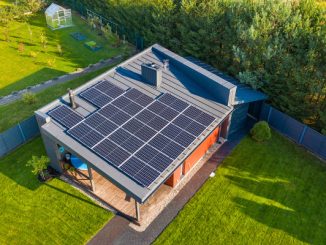
The Ministry of Power (MoP) has approved amendments to the Electricity (Rights of Consumers) Rules, 2020. Provisions in the rules have been implemented to expedite the installation process and to streamline the process of establishing rooftop solar photovoltaic systems at the premises of prosumers. An exemption has been granted regarding the necessity of a technical feasibility study for systems with a capacity of up to 10 kW. For systems exceeding 10 kW, the timeframe for conducting the feasibility study has been shortened from twenty days to fifteen days. Additionally, if the study is not concluded within the specified period, approval will be considered automatically granted. Furthermore, there is now a requirement that the distribution company is obligated to undertake the necessary distribution system strengthening for rooftop solar photovoltaic (PV) systems with a capacity of up to 5 kW, covering the associated costs. Moreover, the period for the distribution licensee to commission rooftop solar PV systems has been decreased from thirty days to fifteen days.
Moreover, customers are now able to acquire distinct electricity connections for charging their electric vehicles. Additionally, amendmends have been incorporated into the rules to increase consumer options and encourage increased transparency in metering and billing processes. Residents in cooperative group housing societies, multi-storied buildings, residential colonies, among others, now have the choice to select individual connections for each unit or a centralised single-point connection for the entire premises from the distribution licensee. This choice will be determined through a transparent ballot conducted by the distribution company. Additionally, there is now parity in the tariff for consumers using a single-point connection and those opting for individual connections. Separate procedures will be established for metering, billing, and collection for personal electricity usage obtained from the distribution licensee, individual usage of backup electricity provided by the residential association, and electricity consumption in common areas of such residential associations, acquired from the distribution licensee.