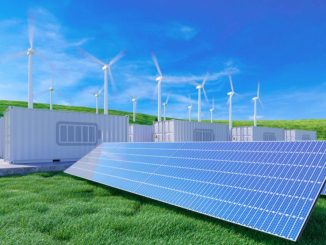
India’s venture into the green hydrogen market holds great promise due to its versatility in applications that range from agriculture, transportation, electricity, and hard to abate sectors like refinery, fertiliser, iron and steel, among others. According to MEC+, the total hydrogen consumption in India is 8.1 MTPA. This includes domestic hydrogen consumption (6 MTPA), hydrogen consumption in imported fertiliser (1.2 MTPA), hydrogen consumption in imported ammonia (0.5 MTPA), hydrogen consumption in imported methanol (0.4 MTPA). According to a report by NITI Aayog, the demand for hydrogen in India is projected to quadruple to 29 million tonnes by 2050, with the steel industry and heavy-duty transportation accounting for 52 percent of this demand. Of this total hydrogen demand, green hydrogen will account for 94 per cent by the same year.
In order to meet the country’s increased demand from green hydrogen and to achieve energy independence by 2047, the Indian government implemented several policies and programmes, such as the National Green Hydrogen Mission. In alignment with the mission’s primary goal of achieving a green hydrogen production capacity of at least 5 million metric tonnes per year, there is a set target for domestic electrolyser manufacturing, aiming for a capacity range of 60-100 GW by 2030. As per International Energy Agency, this target is notably 7.5-12.5 times greater than the global electrolyser manufacturing capacity, which was around 8 GW in the year 2021. The government also implemented an incentive program for the production of green hydrogen and electrolysers, waived interstate transmission fees for renewable energy used to produce green hydrogen and its byproducts for units commissioned until December 31, 2030, allowed open access to the grid and the banking of renewable energy for 30-days to produce green hydrogen or green ammonia.
Several developments have taken place in this space in the past year to harness the segment’s potential. Aligned with the government’s aspirations for the sector, both Indian public and private institutions have shown a positive response by unveiling plans for significant investments across the green hydrogen value chain. This encompasses renewable energy developers, electrolyser manufacturers, oil and gas entities, steel producers, and various other stakeholders.
Renewable Watch provides a roundup of the key developments in this space over the past year.
Plans of private players
- Larsen & Toubro Limited in collaboration with ReNew and Indian Oil Corporation Limited has announced to invest Rs 320 billion for green hydrogen projects with main focus on electrolysers, green hydrogen plants, and green ammonia projects. It also plans to invest around Rs 5 billion for manufacturing electrolysers. The company is in discussions with the state governments for more land to be built near ports in order to transport green hydrogen and ammonia.
- Hydreen has raised a funding of $2 billion to build green ammonia and green hydrogen facilities in five Indian states. The company has received funding from European sovereign funds. Presently, the construction work for two projects is ongoing in Kerela and Himachal Pradesh. Each project will have a capacity of 250 MW, and the ammonia produced from these plants is intended for international export.
- Amplus Solar has entered into an MoU with the Andhra Pradesh government to set up multiple decentralised green hydrogen production plants in the state. The company aims to set up 7.5 KPTA-distributed green hydrogen plants for industrial consumption in Andhra Pradesh with an investment (including on-site hydrogen production plants and off-site wind and solar energy plants) of Rs 15 billion.
- Ocior Energy India announced plans to establish a 1 million tonne per annum green ammonia plant in Andhra Pradesh. The project will be executed with an investment of Rs 400 billion. The company has entered a MoU with the Andhra Pradesh government regarding the proposed investment for the state’s green hydrogen and ammonia project. The renewable energy project will be operational in two phases by 2030.
- A land agreement has been signed by the ACME Group with Tata Steel Special Economic Zone Limited for developing green hydrogen and green ammonia project on 343 acres of land. The project will be implemented at the Gopalpur Industrial Park in Ganjam district of Odisha. ACME intends to develop a 1.3 million tonnes per annum green ammonia plant. The green ammonia produced at this plant will be shipped from Gopalpur port facilities to markets in the west and east.
Plans of public entities
- REC has signed an MoU with Avaada Group, committing Rs 150 billion for the development of a green hydrogen and ammonia facility in Gopalpur.
- Indian Oil Corporation Limited is foraying into producing green hydrogen with a 10 KTPA plant that is planned in Panipat. The company has invited global tenders to develop the facility on the land next to its Panipat refinery. It is planning to integrate this green hydrogen generation plant with the Panipat refinery’s existing hydrogen network. The plant will operate round-the-clock and is intended to produce 1,250 kg of green hydrogen per hour.
- Hindustan Petroleum Corporation Limited is implementing a green hydrogen project at Visakh refinery in the state of Andhra Pradesh. The project will have an electrolyser capacity of 370 tonne per annum. The company has already spent Rs 110 million out of a total allocation of Rs 330 million on the project.
- The Solar Energy Corporation of India has issued a tender for the selection of green hydrogen producers for setting up production facilities for green hydrogen in India under the strategic interventions for green hydrogen transition scheme, mode-1-tranche-1. The total capacity to be allocated under this tender is 450,000 MT per annum of green hydrogen, and this capacity is divided into two buckets: Bucket 1 – 410,000 MT per annum under technology agnostic pathway and Bucket 2 – 40,000 MT per annum under biomass-based pathway.
- NHPC has issued a tender to establish a pilot project for a green hydrogen-based mobility station in Kargil, Ladakh, to operate two hydrogen fuel cell-based buses throughout the area. The installation of two units with a capacity of 30 Nm3 hour is required. The expected daily hydrogen production target is 40 kg, with a minimum purity level of 99.97 per cent.
- NTPC Green Energy Limited (NGEL) has signed a MoU with Syama Prasad Mookerjee Port to set up a green hydrogen hub in Kolkata. NGEL and Nayara Energy have signed MoU to explore prospects in green hydrogen and clean energy space. The companies will work together to manufacture green hydrogen for captive use by Nayara Energy and to expedite decarbonisation and carbon footprint reduction. NGEL has signed a MoU with HPCL Mittal Energy Limited. The MoU aims to explore opportunities in the green hydrogen business and its derivatives like green ammonia and green methanol.
Outlook
The green hydrogen market in India is currently in its early stages of development, showing substantial potential for rapid growth. Green hydrogen adoption is projected to lead to savings in energy imports, with estimates ranging from $246 billion in 2030 to $358 billion in 2050. Nevertheless, there are several challenges and issues that must be addressed for India to establish itself as a leader in the green hydrogen sector.
As per a report from the International Energy Agency, the production of one kilogram of green hydrogen requires 9 liters of water. The report emphasises that in water-stressed regions, access to freshwater becomes a worrisome factor during the production of green hydrogen. This may become a key issue for various large upcoming projects especially in states like Rajasthan. Moreover, potential environmental issues may arise, making the implementation of projects unfeasible. Another consideration is the propensity for hydrogen to leak easily, and the explosive reaction of liquid hydrogen with air, necessitating the implementation of extra infrastructure to ensure safe handling and operations.
There are encouraging advancements in this segment as the Indian government and industry are actively engaging in collaborative initiatives with other nations. India is also planning to provide carbon credits for the production of green hydrogen as a means to attract investments from other countries. Furthermore, the government have identified 10 states that could play a pivotal role in the manufacturing of green hydrogen, considering factors such as the presence of industries suitable for use cases, the availability of ports, and renewable energy resources, among other considerations. Lately, the Ministry of New and Renewable Energy has also released a set of standards for green hydrogen, a preliminary plan for the research and development of the green hydrogen ecosystem in India, and has pledged investments amounting to Rs 4 billion.
Overall, the government has identified green hydrogen as a driving force behind accomplishing its net-zero goals and is offering various incentives to bolster the sector’s growth. Going forward, there is a need to follow these policy interventions with on-ground implementation and streamlined regulations, to ensure the development of a sustainable green hydrogen ecosystem.