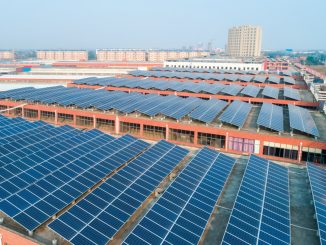
 India has installed 184.62 GW of renewables, including 116 GW of solar power capacity, 52 GW of wind, 11 GW of biopower and 5 GW of small hydro, as of June 2025. Thermal power now contributes 50 per cent of the total 485 GW installed capacity, followed by solar power with an impressive 24 per cent share.
With the growing penetration of solar and wind power, the share of thermal power in the energy generation mix has dropped by 6 percentage points in the past decade, and renewable energy is expected to outplay thermal power soon.
Case in point, from April 2024 to March 2025, only 3,719 MW of thermal and 800 MW of hydro capacity has been added, against an impressive 28,724 MW of renewable energy capacity. Similarly, the last quarter, from April 2025 to June 2025, witnessed 2,330 MW of thermal, 250 MW of pumped storage project and 1,400 MW of hydropower additions, compared to 12,253 MW of renewable energy capacity.
In an encouraging trend, there has been a noticeable increase in the deployment of distributed renewable energy over the past few months, with supportive policies and a growing corporate green power market.
Further, in an interesting turn of events, there have been at least 10 large auctions in the last quarter for standalone or renewable energy integrated energy storage systems, with the majority of them specifically for battery energy storage systems (BESS). On the other hand, there has been an evident decline in auctions for standalone wind and solar projects, and even the popular hybrids. Increasing demand for grid stability reserves as well as recent policy measures to promote BESS have contributed to this visible uptick in storage projects, and this momentum is going to continue.
The coming months will witness further expansion of distributed renewable energy projects and BESS, as the power sector moves towards a more diversified and sustainable growth trajectory.