

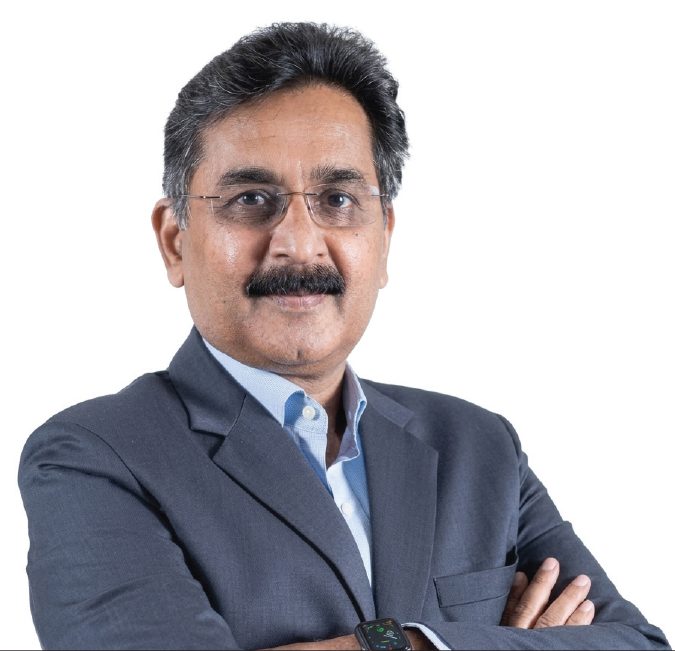
 ENGIE has established a significant presence in India’s renewable energy sector with a portfolio of around 2 GW of projects in operation and under construction across the solar and wind segments. Built over more than a decade, these assets are spread across several states. ENGIE is now expanding into hybrid and energy storage solutions aimed at enhancing grid reliability and flexibility. The company recently secured its first hybrid renewable project in India – the 200 MW Solar Energy Corporation of India’s (SECI) Barmer project. It also won a 280 MW/560 MWh battery energy storage system (BESS) project in Gujarat, which represents its first major standalone storage project in India and the group’s second largest BESS project globally. In an interview with Renewable Watch, Dhananjay Kumar, Head – Corporate Affairs, ENGIE, discussed the company’s renewable energy portfolio and long-term growth strategy in India, highlighting its increasing focus on hybrid renewable projects, BESS, digital optimisation of assets, and emerging opportunities in the country’s evolving clean energy market. Edited excerpts…
Could you please share a case study of one of your projects?
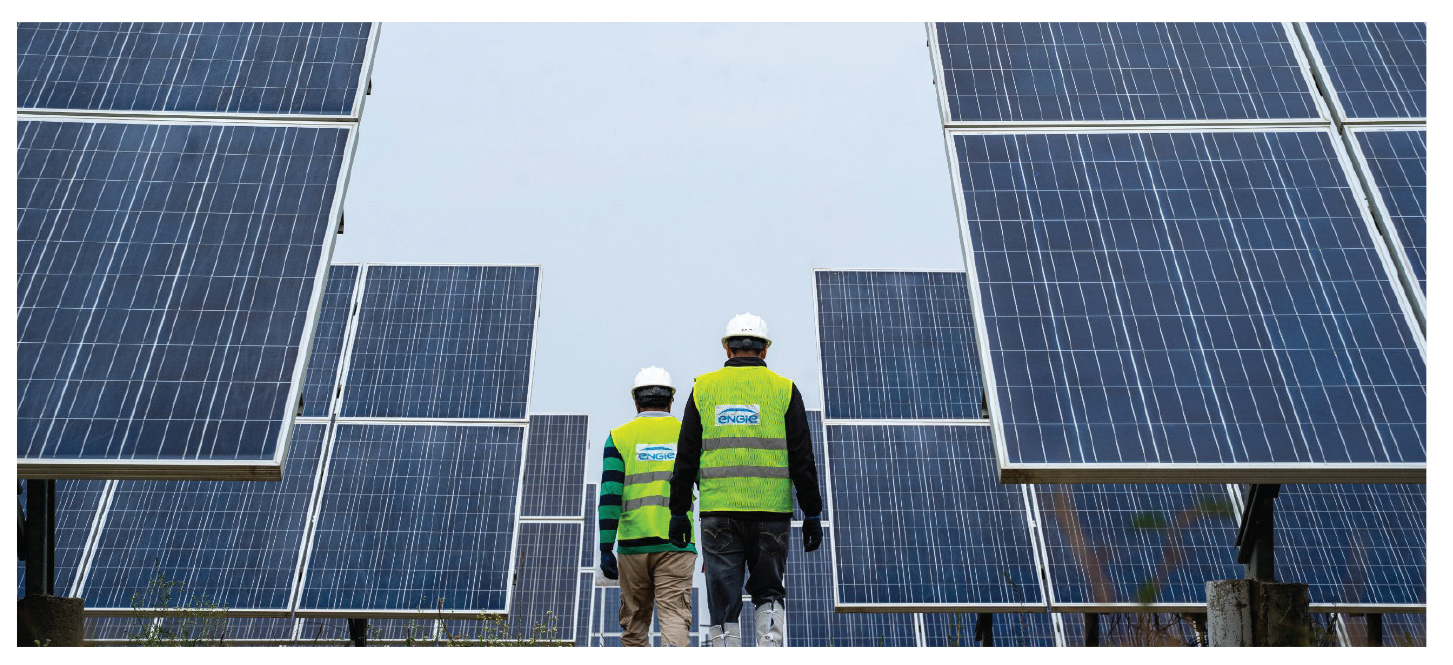
One notable project is ENGIE’s Raghanesda solar project in Gujarat, a 200 MW utility-scale solar plant. The project was constructed during the Covid-19 pandemic with zero infections reported across the construction workforce, demonstrating strong safety governance and disciplined project management under difficult conditions. Today, the plant generates around 546 GWh of clean electricity annually, helping power thousands of households while reducing dependence on fossil fuels.
Corporate buyers are increasingly seeking round-the-clock (RTC) supply, data traceability and carbon accountability. How is ENGIE adapting its offerings to meet these expectations?
Corporate energy buyers today are looking beyond simply procuring renewable power; they are seeking reliability, transparency and measurable decarbonisation outcomes. This means access to RTC clean power, better visibility into where and how electricity is generated, and greater confidence in the carbon impact of their energy consumption.
ENGIE is responding to this shift by combining renewable generation with hybrid and storage-backed solutions that improve flexibility and help deliver more dependable clean power. Projects such as our 200 MW hybrid project in Barmer and the 280 MW/560 MWh battery storage project in Gujarat reflect this move towards integrating storage and hybridisation to better align renewable generation with demand profiles. At the same time, digital oversight is becoming critical. Through ENGIE’s Fleet Performance Diagnostic Centre (FPDC), we are able to centrally monitor renewable assets, optimise plant performance and improve forecasting accuracy. This enables stronger data traceability and operational transparency, which are increasingly important for corporate buyers looking to track energy use and carbon impact. In parallel, our supply and energy management activities in India allow us to connect renewable assets directly to customers and markets, enabling more structured procurement strategies and supporting companies in meeting their decarbonisation commitments with greater confidence.
Could you elaborate on the challenges that exist in India’s renewable energy market?
India has built one of the most active renewable energy procurement markets globally through competitive bidding and long-term PPAs. This framework has enabled rapid capacity addition and played a significant role in bringing renewable tariffs down over the past decade. As the sector scales further, the tendering ecosystem is naturally becoming more complex. Developers today are navigating factors such as land availability, transmission readiness and evolving grid requirements alongside increasingly competitive tariff environments. Looking ahead, another area that will continue to evolve is the design of tenders for hybrid and storage-linked projects. As India moves towards more flexible and despatchable renewable solutions, procurement frameworks will need to progressively accommodate new technologies, longer asset life cycles and different approaches to risk allocation.
What is your perspective on India’s policy environment for the renewable energy sector? What additional policy measures are needed to drive sector growth?
India’s policy environment has been one of the key drivers behind the rapid expansion of renewable energy over the past decade. Clear national targets, competitive bidding frameworks, and strong institutional support have created a stable foundation for investment and enabled the country to emerge as one of the fastest growing renewable energy markets globally.
As the sector moves into its next phase, the focus will increasingly shift from capacity addition to system integration and reliability. Continued support for hybrid and storage-linked projects, along with ongoing investment in transmission infrastructure and grid modernisation, will help ensure that renewable energy can be integrated smoothly at scale. At the same time, further strengthening mechanisms that enable corporate procurement and market-based participation will support the growing demand for clean energy from industry and commercial consumers. Overall, India has demonstrated strong policy leadership in the renewable sector. The next phase of growth will likely build on this foundation by enabling greater flexibility, reliability and market depth as renewable penetration continues to rise.
 How is your company leveraging digital tools and advanced analytics to optimise project planning, execution and asset performance?
Digital tools and advanced analytics are becoming central to how renewable portfolios are planned, built and operated at scale. As renewable assets grow in size and complexity, data-driven systems help improve forecasting accuracy, optimise performance and ensure faster operational responses. At ENGIE, we leverage digital platforms such as our FPDC and advanced analytics, which also support better project planning and execution, from resource assessment and performance modelling to optimising asset configuration for hybrid and storage-linked projects.
Globally, ENGIE is also deploying artificial intelligence-driven operational platforms such as Mobilee, which supports field technicians with real-time operational intelligence; AlexandrIA, a decision-support system that helps power plant operators anticipate issues and reduce downtime; and the LTSA Performance Tracker, which uses predictive analytics to monitor asset performance and detect anomalies across long-term service agreements (LTSAs). Together, these digital capabilities enable us to move from reactive to predictive asset management, improving reliability, uptime and operational efficiency. As renewable portfolios scale and power markets become more dynamic, digital intelligence will play a critical role in ensuring that clean energy infrastructure performs consistently and reliably.
What is your future outlook?
India’s renewable energy sector has developed one of the most dynamic markets globally, supported by strong policy direction and a competitive procurement framework. The progress made over the past decade has created a solid foundation for the next phase of growth. As the sector scales further, the focus is naturally shifting towards system integration and execution efficiency. Renewable projects today are larger, and continued coordination around areas such as land availability, transmission readiness and grid planning will help ensure that projects are developed smoothly and on schedule.Another important evolution is the move towards hybrid, storage-backed and RTC renewable solutions. As these technologies become more central to the energy mix, procurement frameworks and market mechanisms will continue to adapt to support long-term reliability and flexibility.
What are ENGIE’s future plans?
We have invested more than €1 billion in India during our first decade of operations (2014-25), developed a 2 GW portfolio across seven states, and secured long-term PPAs with SECI, NTPC Limited, NHPC Limited, Gujarat Urja Vikas Nigam Limited and SJVN Limited. By 2030, we are targeting 7 GW of installed renewable and storage capacity, with a strong emphasis on hybrid and storage-integrated projects.
