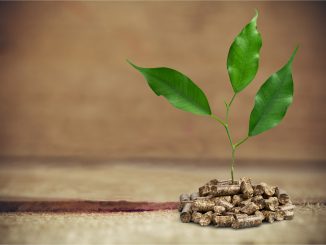
Honeywell has unveiled a new technology that transforms agricultural and forestry waste into renewable fuels. Using affordable and plentiful biomass feedstocks such as crop waste and wood chips, the technology generates low-carbon marine fuel, gasoline and sustainable aviation fuel (SAF). These ready-to-use or drop-in fuels offer fish operators a cost-efficient, low-carbon alternative to traditional heavy fuel oil. Furthermore, this renewable marine fuel offers greater energy density compared to many existing biofuel options, enabling vessels to have an extended range without the need for expensive engine modifications.
Agricultural and plant residues can be processed into low-carbon biocrude directly at collection sites, reducing transportation expenses. Additionally, the new process technology allows this biocrude to be refined at large-scale facilities into marine fuel, gasoline or SAF, thereby addressing long-standing difficulties in converting biocrude into fuels that match the performance of conventional options. This biocrude upgrading technology can be supplied as a modular, prefabricated plant, thereby helping customers lower project risk and speed up timelines by simplifying on-site construction work.