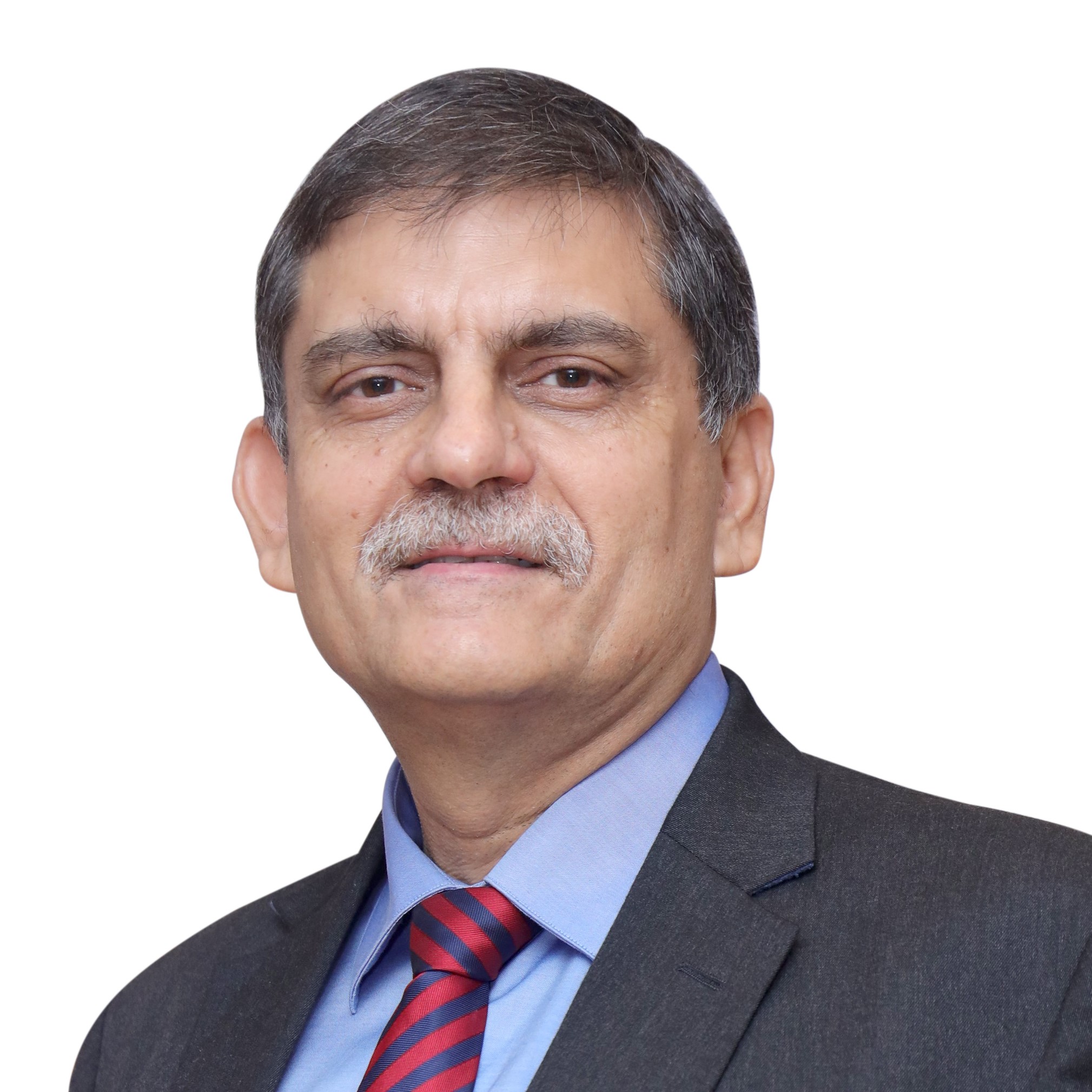
 In a recent interview with Renewable Watch, Vikram Gandotra, President (Elect), Indian Electrical and Electronics Manufacturers’ Association discussed the evolution of the organisation and its growing role in shaping the future of India’s power sector. He spoke about IEEMA’s efforts to boost domestic manufacturing, support renewable energy integration, promote smart and sustainable technologies. Gandotra also highlighted emerging trends in electrical equipment for renewables, challenges in grid integration, and the association’s initiatives to drive innovation, quality, and global competitiveness in the sector.
IEEMA has been the apex body for the electrical industry since 1948. How has its role changed over the years?
IEEMA was established in 1948 by a group of Indian electrical companies with the aim of promoting the domestic electrical industry. Over the years, its role has expanded in line with the growth and diversification of the sector. In 1986, the association formally included the electronics segment and became the Indian Electrical and Electronics Manufacturers’ Association (IEEMA). Today, it represents manufacturers contributing over 95 per cent of India’s installed power equipment, with a combined turnover of over $70 billion. With a pan-India presence and strong industry representation, IEEMA plays an important role in policy advocacy, industry development, and supporting India’s energy goals. IEEMA has been expanding its divisions to represent newer segments such as electric vehicle chargers. Additionally, as Indian manufacturers are making a place in the global market with high-quality and competitive products, IEEMA offers them platforms to identify newer markets.
What are the key focus areas of IEEMA in the current industrial and economic scenario?
IEEMA’s primary focus areas in the current industrial and economic landscape are aimed at strengthening India’s electrical and allied electronics industry. We are committed to boosting domestic manufacturing, increasing exports, and supporting India’s clean energy transition. Our initiatives include promoting renewable energy, transmission and distribution, smart grids, energy efficiency and much more, while also working on improving supply chains and testing infrastructure to ensure global competitiveness.
Additionally, IEEMA advocates promotion of policies which incentivise the building of local production facilities and push for digitalisation to enhance industry efficiency. Further, IEEMA has launched quality improvement programmes and upskilling initiatives with our stakeholders. Through these efforts, IEEMA aims to create a resilient, innovative, and sustainable electrical and allied electronics sector, helping India establish itself as a global leader in this space.
IEEMA works together with the various ministries of the Government of India to ensure that the industry is aligned with the vision of Viksit Bharat 2047, as the electrical sector will play a vital role in the phenomenal growth.
What are the trends in electrical equipment manufacturing for renewable energy applications?
The renewable energy sector is driving a significant transformation in the manufacturing of electrical equipment. One of the key trends is the unprecedented growth of India’s renewable energy equipment market, which is expected to be USD 13.60 billion in 2024 and more than double to USD 27.87 billion by 2033. There is an increasing push towards indigenous manufacturing, particularly under CPSU Phase-II, which mandates the use of solar components made in India. Internet of Things enabled monitoring, AI-based predictive maintenance tools and advanced energy storage systems are important in such a rapidly evolving sector. These solutions address challenges of grid variability and energy efficiency, particularly in solar and wind-based infrastructure. Large-scale deployment of battery energy storage requires developing indigenous supply chains.
What are the biggest challenges in integrating renewable energy with the existing power grid, and how is IEEMA helping to address them?
As of the 2024–25 fiscal year, renewable energy accounted for 22.49 per cent of India’s total electricity generation, and by December 2024, India’s renewable energy capacity reached 209.4 GW, representing nearly 47 per cent of the total installed capacity. With this rapid growth, challenges are faced in integrating renewable energy into the existing power grid, including the variability of solar and wind generation, which requires enhanced energy storage solutions and modern, robust and flexible transmission infrastructure. Integration of renewable energy requires a large, robust and flexible grid for which new assets such as HVDC/HVAC/STATCOMs, among others have to be integrated into the grid. IEEMA works with policymakers to provide visibility of demand to manufacturers in advance, to enable them to meet the requirements.
Addressing these challenges requires continued investment in smart grid technologies, energy storage systems, and also bringing about policy reforms. Through its smart grid division, IEEMA promotes the adoption of modern digital solutions that improve grid flexibility and reliability, helping ensure the efficient integration of renewable energy into the grid. IEEMA’s metering division has been actively supporting the Government of India’s program for Smart Metering (the largest of its kind in the world), which will open immense possibilities to integrate green energy and improve energy efficiency.
How does IEEMA plan to drive sustainability and green energy initiatives in the electrical sector?
Sustainability is at the core of IEEMA’s agenda as the industry moves towards cleaner energy systems. IEEMA encourages the adoption of energy-efficient equipment, supports a circular economy by addressing end-of-life management of solar panels and batteries and drives innovation in green technologies. IEEMA sensitises its members not only to adopt sustainable manufacturing practices but also on the upcoming fields such as carbon markets that will help them to prepare accordingly. We host forums like New Energies Conclave, eTechNXT, to discuss climate-resilient practices and green manufacturing and promote electric mobility, green hydrogen, among others. By collaborating with government, industry and academia, IEEMA aims to build an ecosystem that supports India’s net-zero ambitions and makes Indian manufacturers global champions of clean tech.