 By Sudhir Nain, Head – Domestic Operations (Solar), Jakson Green Limited
India’s solar power industry has emerged as a strong pillar of the country’s renewable energy sector, given the government’s ambitious plans to achieve 500 GW of non-fossil fuel capacity by 2030, of which 280 GW will be solar power. With supportive government initiatives, advancements in technology and increasing awareness of sustainable energy solutions, the Indian solar industry has seen exponential growth over the past decade, especially in the post-Covid era. At the centre of this growth is the engineering, procurement and construction (EPC) industry, which plays a key role in taking solar projects from concept to reality. Nevertheless, despite aggressive growth, the industry is being challenged by structural and operational issues that may jeopardise future progress.
This article presents an in-depth analysis of India’s solar EPC market, highlighting its current status, major challenges, policy suggestions and future prospects, based on recent industry data…
Current state of India’s solar EPC market
From just 21 GW in 2015 to over 119 GW as of July 2025, India’s solar capacity has grown at an impressive rate. Large solar utility projects, rooftop solar and emerging technologies such as agrivoltaics and floating solar have all contributed to this. With major projects being carried out under government programmes such as the National Solar Mission, PM-KUSUM (for solarisation of agriculture) and the Rooftop Solar Phase II programme, the EPC industry has been instrumental in this growth.
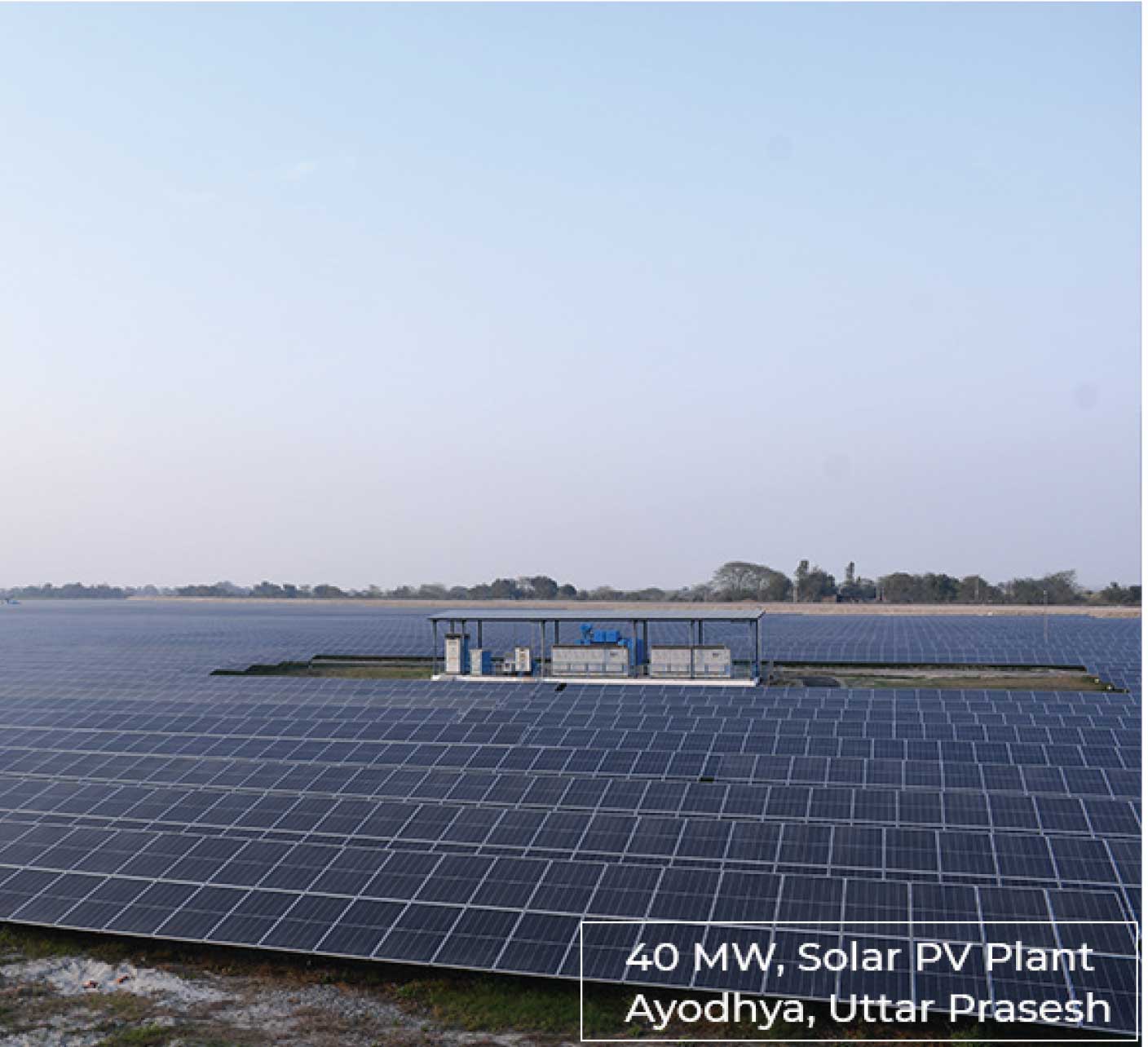
One of the principal growth drivers has been the dramatic decline in solar tariffs, which have registered historic lows of Rs 2.36 per kWh in recent auctions. This decline has been made possible by competitive bidding, economies of scale and technological advancements. Coupled with this, government-driven policy initiatives such as renewable purchase obligations (RPOs) and state-specific incentives have created a healthy demand pipeline for solar EPC services. Foreign and domestic investments have also played a critical role, with the industry securing $13.5 billion worth of foreign direct investment between 2014 and 2023. Technological advancements have further helped drive the industry, with bifacial modules, solar trackers and artificial intelligence-driven operations and maintenance (O&M) solutions improving efficiency and reducing costs. According to ARKA360 (2024), the Indian solar EPC market is expected to grow at a CAGR of 15-20 per cent over the next five years, driven by utility-scale projects and increased demand from the commercial and industrial segment.
Key challenges confronting the solar EPC industry
Despite its strong growth trajectory, the Indian solar EPC market still faces many unresolved issues, such as land acquisition problems, regulatory delays, financing constraints, discom dues, import dependence and supply chain risks, shortage of skilled labour, and grid integration and storage issues.
Land acquisition is still the largest obstacle for solar projects in India. Land disputes, title ambiguity and bureaucratic delays cause 30-40 per cent of project delays. Acquiring environmental and grid connection approvals takes 6-12 months following land acquisition, resulting in escalated project costs and schedules.
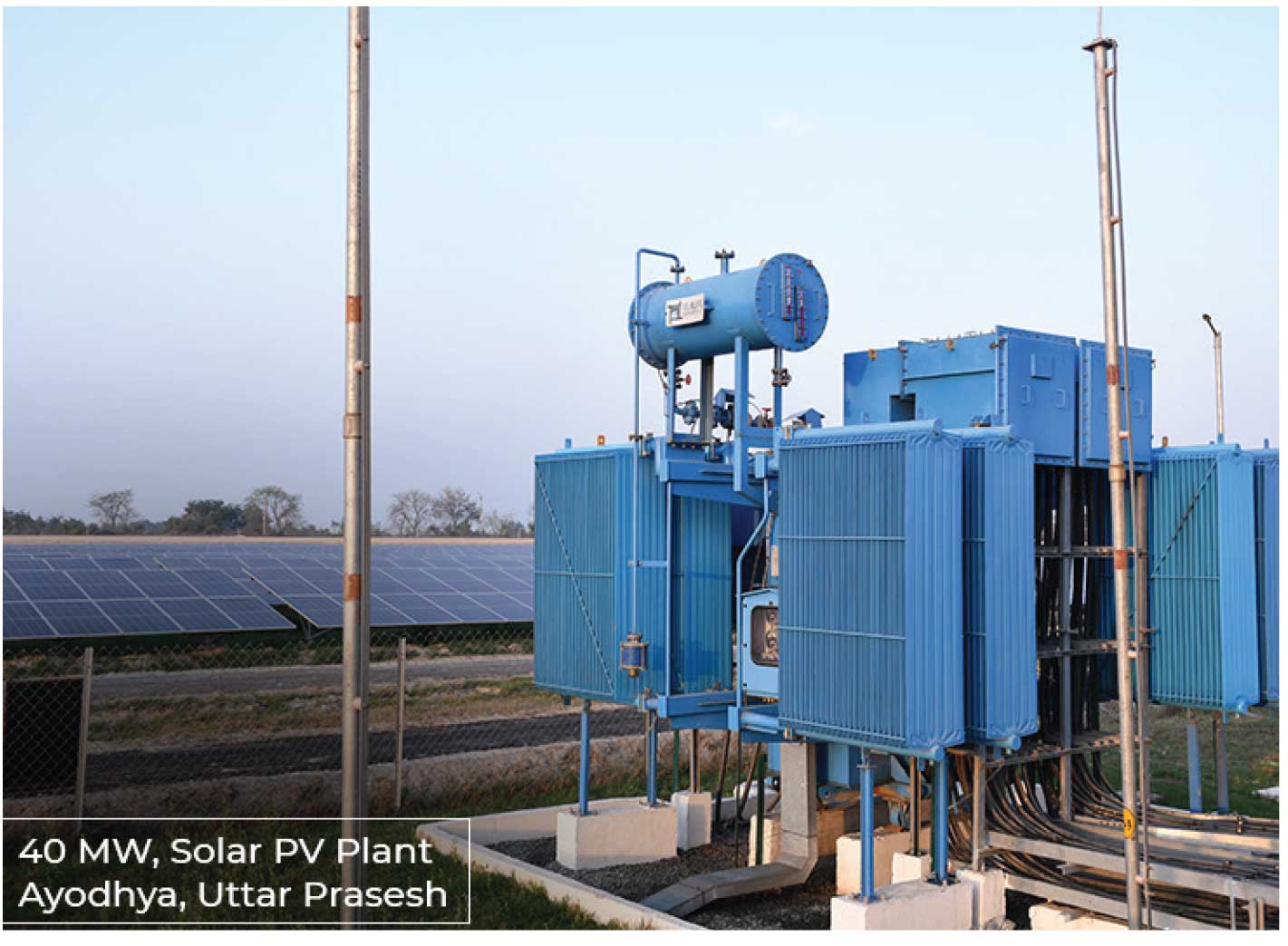
Another significant issue is financing, especially for small- and medium-sized EPC players. For establishing a solar plant, the capital cost is in the range of Rs 40 million and Rs 50 million per MW, and the availability of low-cost financing is scarce. Moreover, delayed payments by discoms, in many cases for over 12-18 months, have tightened the cash flows of EPC contractors. This has resulted in liquidity crunches, making it difficult for companies to bid for new projects.
India continues to depend on imported solar modules, with 70-80 per cent of panels originating in China, even with the government’s production-linked incentive (PLI) scheme to promote domestic manufacturing. Besetting EPC players with uncertainties, the return of the Approved List of Models and Manufacturers has made the supply chain more convoluted.
The solar industry’s explosive growth has overwhelmed the pool of skilled labour. Only 30 per cent of the labour force in the solar EPC industry is formally trained, resulting in quality and efficiency challenges. Expertise in new technologies such as floating solar and hybrid energy systems is also lacking, which may cap future growth.
With increasing solar penetration, grid integration has emerged as a key problem. As much as 10-15 per cent of the generated solar power is curtailed due to grid congestion and the absence of storage infrastructure. In the absence of sufficient battery storage or hybrid systems, addressing the intermittency of solar power continues to be a major challenge.
Policy recommendations for sustainable growth
To meet these challenges and sustain the growth of India’s solar EPC market, the government can introduce a single-window clearance mechanism for solar projects to minimise delays. Creating land banks and plug-and-play solar parks – where land, connectivity and approvals are already pre-arranged – can substantially shorten project timelines. Increasing priority sector lending for renewable energy initiatives and timely payment assurance from discoms through stronger enforcement of RPO adherence can enhance liquidity for EPC participants. Green bonds and other creative financing arrangements must also be encouraged going forward.
Although the PLI scheme is a welcome step, continued support through import duties on solar panels and incentives for local cell and module manufacturing can establish an indigenous solar supply chain.
The government needs to partner with industry and academia to initiate countrywide solar training programmes. Specialised courses in advanced solar technology, project management and O&M can fill the skill gap. Investments must be made in battery storage, smart grids and hybrid projects to address intermittency. Solar Energy Corporation of India Limited’s recent 4 GWh battery storage tender is a step in the right direction, but more such initiatives must be undertaken.
Future outlook till 2030
India’s solar EPC industry is set for strong growth in the coming decade, with some key trends shaping its future course. India is set to commission 20-25 GW of solar capacity every year and reach 220-245 GW by 2030. The PLI scheme is set to facilitate the development of 40 GW of integrated manufacturing facilities in solar, decreasing the country’s dependence on imports. Technologies such as floating solar, agrivoltaics and green hydrogen will provide new avenues to EPC players. Moreover, the solar EPC industry can bring in $25-30 billion of investments per year by 2030.
India’s solar EPC industry is at a turning point, with huge potential but some tough challenges. Bridging land acquisition, finance, supply chains and skill gaps will be key to long-term growth. With a proper policy push and industry cooperation, India is not just capable of realising its 500 GW renewable energy target, but can become a global leader in solar EPC. The journey will be tough, but the potential is huge – making this one of the most thrilling sectors in India’s energy transition.