The Indian renewable energy sector has experienced rapid growth in recent years, driven by the government’s ambitious targets and supportive policies. To understand the perspectives of leading developers and manufacturers on the current state of the market, the challenges they face and the opportunities they see for the future, Renewable Watch recently organised a panel discussion in the conference on “Solar Power in India”, which featured senior executives from prominent renewable energy companies. The panellists represented a diverse range of organisations, each with a unique portfolio and a strategic approach to the Indian market. The discussion covered a wide range of topics, from the companies’ current project pipelines and expansion plans to the regulatory and infrastructure hurdles that hinder the sector’s growth. They also shared their insights on emerging technologies, market segments and the importance of policy stability in attracting investment and driving sustainable development. Edited excerpts…
What are your development plans in the renewable sector in India?
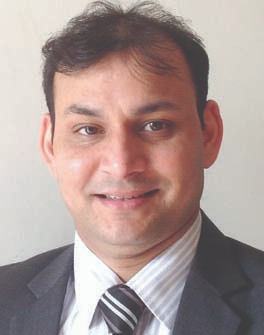 Naveen Khandelwal
BrightNight is a US-headquartered global platform operating across several markets, with a significant presence in India. The company focuses on despatchability, which requires multiple technologies to work together to enable projects to deliver higher plant load factors and achieve faster decarbonisation. In India, BrightNight is a relatively young company, about 2.5 years old, with plans for multiple GW projects in the next few years. The company does not intend to develop plain solar projects; rather, it aims to add value to solar by making it more utilisable for the grid.
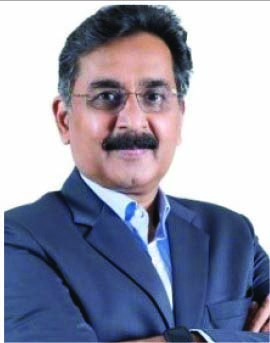 Dhananjay Kumar
ENGIE is one of the largest IPPs globally, and aims to have 80 GW of renewables by 2030. The company has been operating In India for over a decade and has about 1 GW of operational projects, with 1.2 GW under construction. India is one of the company’s key markets, and the company aims to add 600-1,000 MW of renewable projects annually in the country.
 Manish Narula
JinkoSolar is one of the largest manufacturers of solar modules globally, which has recently entered the energy storage systems space. It has shipped more than 200 GW of solar modules worldwide. The company has started signing energy storage system contracts. It plans to build one of the largest single-location factories in China’s Shanxi province. The factory will have end-to-end production, from polycrystalline materials to solar modules, to optimise costs and efficiency.
 Gautam Samanta
Juniper Green Energy (formerly Orange Renewable) is a part of the AT Capital Group based in Singapore. It has installed approximately 900 MW of solar and has 1.2 GW of solar and wind projects under construction. The company also has a pipeline of 3.2 GW for firm and despatchable renewables. Thus, our portfolio includes solar, wind and round-the-clock (RTC) projects.
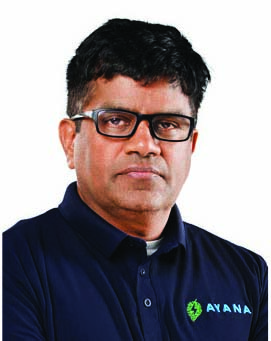 Arul Shanmugasundaram
Ayana Renewables is backed by National Investment and Infrastructure Fund, British International Investment, and Green Growth Equity Fund. The company has close to 1.9 GW of operating assets and has another 2.5 to 3 GW of projects under construction, which are expected to be completed by 2025. Ayana Renewables’ operating portfolio includes solar and wind projects, with almost 400 MW of RTC projects in the pipeline. It has a strong focus on RTC power with storage, with a greater than 85 per cent plant load factor.
 Deepak Thakur
Mahindra Susten has been operating in the renewable energy sector in India for over one and a half decade. The company has built around 4,500 MW of renewable energy projects for third parties and for its own portfolio. It has since focused on being a developer and creating a unique model where they build projects and then flip them to an infrastructure investment trust co-sponsored by Mahindra and the Ontario Teachers’ Pension Plan. Under this model, Mahindra Susten has acquired almost 2,000 MW of projects in the past fiscal and plans to build 5,500 MW in the next four to five years. The company is also exploring hybrid projects, RTC power, energy storage and open access projects.
Have things gone better or worse than expected for your organisation in the past 12 months, and what is one single reason for this?
Naveen Khandelwal
Things have become better due to the scale and choice available in the Indian market. It offers a wide range of opportunities, with 2-3 GW of projects being tendered every month, allowing developers to choose projects based on their preferences and expertise.
Dhananjay Kumar
From a project development and capacity buildup perspective, the past 12 months have been good. This success was primarily driven by lower module prices and lesser competition compared to the previous year. However, as an asset owner, some regulations, such as the deviation settlement mechanism (DSM) and reactive power requirements, have added additional costs to existing projects.
Manish Narula
The Indian market is consistently challenging and exciting. Despite the challenges, the company secured the number one position in the market in terms of module supplies. JinkoSolar has recently launched its energy storage systems solutions in the Indian market.
Gautam Samanta
The tariffs have been comfortable for solar projects, but wind energy capex and generation remain a concern. The company has faced challenges in terms of solar supply chains and has focused on collaborating with foreign manufacturers as well to ensure a consistent supply chain.
Deepak Thakur
There are currently issues for the sector such as inadequate evacuation infrastructure, a complex regulatory ecosystem and tightening DSM norms. The focus on “Make in India” initiatives could jeopardise the long-term interests of the country by not prioritising the most advanced and reliable technologies for renewable energy projects.
What is the biggest challenge facing the renewable energy sector in India?
Naveen Khandelwal
Interstate transmission is a concern. Developing interstate projects is a cumbersome process which involves multiple agencies such as the Central Transmission Utility, Central Electricity Authority, Grid Controller of India and regional load despatch centres.
Dhananjay Kumar
Land availability and connectivity are major concerns. Frequent policy changes related to land acquisition and utilisation pose additional challenges for project development.
Manish Narula
Inconsistent policies, issues with the Approved List of Models and Manufacturers and sudden changes in regulations are major concerns. There is a need for stable, long-term policies to support the growth of the renewable energy sector.
Arul Shanmugasundaram
Land availability is a bigger issue than connectivity. Even if connectivity is available, land acquisition can make or break a project.
Deepak Thakur
Connectivity issues and evacuation infrastructure are the biggest challenges facing the renewable energy sector. Infrastructure development is not keeping pace with the growth of renewable energy projects, leading to a backlog of projects waiting to be commissioned.
What is the one policy ask from the government?
Naveen Khandelwal
There should be minimum government intervention and clear long-term policies. The government should provide a stable policy environment and enable developers to navigate the challenges and opportunities in the market.
Manish Narula
Collaboration is required across the value chain and singling out the renewable energy sector when it comes to geopolitical issues should not be the norm. There is a need to treat the sector fairly and consistently with other industries.
Gautam Samanta
I would urge the government to maintain a balance between protecting the domestic manufacturing industry and allowing imports with appropriate duties. It is important to ensure a steady supply of components for the renewable energy sector.
Arul Shanmugasundaram
There should be multi-year policies with no change in law provisions and a clear definition of the cost of capital. There is a need for long-term policy stability to support the development of renewable energy projects.
Deepak Thakur
The central government should ensure that its policies are implemented in letter and spirit by the state governments. There is a need for better coordination and alignment between the central and state authorities.
What is your company’s focus for the future in terms of technology, market segment or geography?
Naveen Khandelwal
BrightNight is focused on complex projects that allow for creativity, innovation and differentiation. The company is particularly interested in RTC power and storage solutions, enabling it to showcase its engineering and project management expertise.
Dhananjay Kumar
The company has a long-term interest in solar-dominated assets and is exploring battery energy storage systems (BESSs) and other technologies for decarbonisation.
Manish Narula
JinkoSolar is looking at all possible tender opportunities across the spectrum, including rooftop solar as well as BESS with a solar component.
Gautam Samanta
Juniper Green is focused on solar projects and is excited about the falling prices in the battery storage sector. The company is also interested in RTC projects as a potential area of growth.
Arul Shanmugasundaram
We believe there is potential in the digital optimisation of renewable energy assets, combining solar, wind and battery storage. Accurate forecasting and seamless integration of different technologies are also key focus areas for Ayana Power.