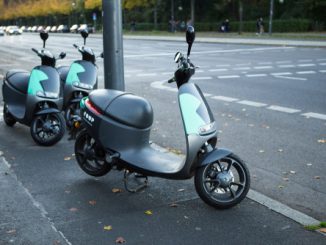
The Ministry of Heavy Industries has introduced the Electric Mobility Promotion Scheme 2024, allocating a budget of Rs 5 billion. The programme, which aims to promote electric two- and three-wheelers, which encompasses e-rickshaws, e-carts, and L5 category vehicles, is set to run for four months, from April 1, 2024, to July 31, 2024. The programme will provide incentives exclusively for vehicles featuring advanced batteries, aimed at encouraging the adoption of innovative technology. A significant portion of the budget, amounting to Rs 4.93 billion, is designated for subsidies and demand incentives intended for purchasers of such vehicles. The remaining amount, Rs 64.5 million, will be allocated to cover the administrative expenses of the program. This includes costs associated with information dissemination, educational initiatives, communication activities, as well as fees for the project management agency.
The programme aims to provide assistance to a total of 372,215 electric vehicles (EVs). This comprises 333,387 electric two-wheelers at an investment outlay of Rs 3.33 billion. While, it also includes 13,590 three-wheelers (e-rickshaws and e-carts) at an outlay of 0.33 billion, whereas 25,238 belong to the L5 category (three-wheeled motor vehicles with either a maximum speed surpassing 25 kmph or a motor power exceeding 0.25 kW) under three-wheelers at an outlay of Rs 1.26 billion. The program aims to enhance the affordability and environmental friendliness of public transportation, particularly targeting electric two-wheelers and three-wheelers utilised for commercial purposes. Additionally, private or company-owned electric two-wheelers can also take advantage of this initiative. The initiative encompasses a phased manufacturing programme designed to enhance domestic manufacturing and reinforce the EV supply chain.
Recently, the ministry increased the budget allocation for the Faster Adoption and Manufacturing of Hybrid and Electric Vehicles II from 100 billion to 115 billion, aiming to promote India’s shift towards cleaner transportation. The demand incentives’ subsidies will apply to electric two, three, and four-wheelers sold up to March 31, 2024.